Short answer: the Shanling Tino. It ranks #52 of 450 in-ear headphones by sound quality, rated 4.6/5, at $23.99; the Tanchjim Ola Bass ranks #67, rated 4.5/5, at $22.99. With prices this close, go by the sound-quality ranking rather than the cost.

What the Shanling Tino does well: Five squig.link measurements give it a preference score of 80.8 with 1.37 dB of deviation, and its dual dynamic drivers keep sub-bass within a fraction of a dB of target to 30 Hz. The tradeoff: A 5.2 dB dip near 10.6 kHz and treble about 1.2 dB under target trim some sparkle from cymbals and ambience.
The case for the Tanchjim Ola Bass: In the median of five squig.link measurements it scores 80.2 for preference, and its treble is remarkably even, with no peak larger than 1.6 dB or dip deeper than 1.9 dB between 1.5 and 12 kHz. Watch for: Sub-bass trails the midbass by about 3 dB, so the deepest rumble is lighter than the bass emphasis above it.
Buy the Shanling Tino. It is rated higher for sound quality, and saving $1 with the Tanchjim Ola Bass does not make up for the sound-quality gap.
Want more options? Browse the full Headphones rankings.
Specifications Side By Side
| Shanling Tino | Tanchjim Ola Bass | |
|---|---|---|
| Price | $23.99 | $22.99 |
| Ranked | #52 of 450 in In-Ear Headphones | #67 of 450 in In-Ear Headphones |
| Form Factor | In-ear | In-ear |
| Back | Closed | Closed |
| Harman Preference Score | 81 (median of 5 squig.link measurements, calibrated to AutoEQ) | 80 (median of 5 squig.link measurements, calibrated to AutoEQ) |
| Deviation From Target | 1.37 dB standard deviation | 1.48 dB standard deviation |
| Tonal Tilt | -0.22 (negative is warmer, positive brighter) | -0.16 (negative is warmer, positive brighter) |
| Sub-bass Extension | Within 6 dB of target down to 20 Hz (-0.2 dB at 30 Hz) | Within 6 dB of target down to 20 Hz (-1.9 dB at 30 Hz) |
| Connection | Wired | Wired |
| Driver Type | Dynamic | Dynamic |
| Drivers | 1 x 10mm dynamic + 1 x 8mm dynamic | 1 x 10mm dynamic |
| Impedance | 16 ohms | 16 ohms |
| Sensitivity | 113 dB | 126 dB/Vrms |
| Weight | 0 lbs (4.6 g) per earbud | - |
| Frequency Response | 18Hz - 28kHz (Manufacturer specified) | 7Hz - 45kHz (Manufacturer specified) |
| Built-in Microphone | No | Yes |
Related Headphone Comparisons
More top alternatives to Shanling Tino:
- DUNU Kima Classic vs Shanling Tino
- Moondrop Chu 2 DSP vs Shanling Tino
- Shanling Tino vs Tanchjim Bunny
- Tanchjim Bunny vs Tanchjim Ola Bass
- DUNU Kima Classic vs Tanchjim Ola Bass
Prices on this page were last checked October 11, 2026 at 4:59 PM UTC. Product prices and availability are accurate as of that date/time and are subject to change; the price and availability shown on Amazon at the time of purchase will apply to the purchase of this product.
As an eBay Partner, we may be compensated if you make a purchase.
The Two Headphones In Full
 Shanling Tino: $23.99 Amazon eBay
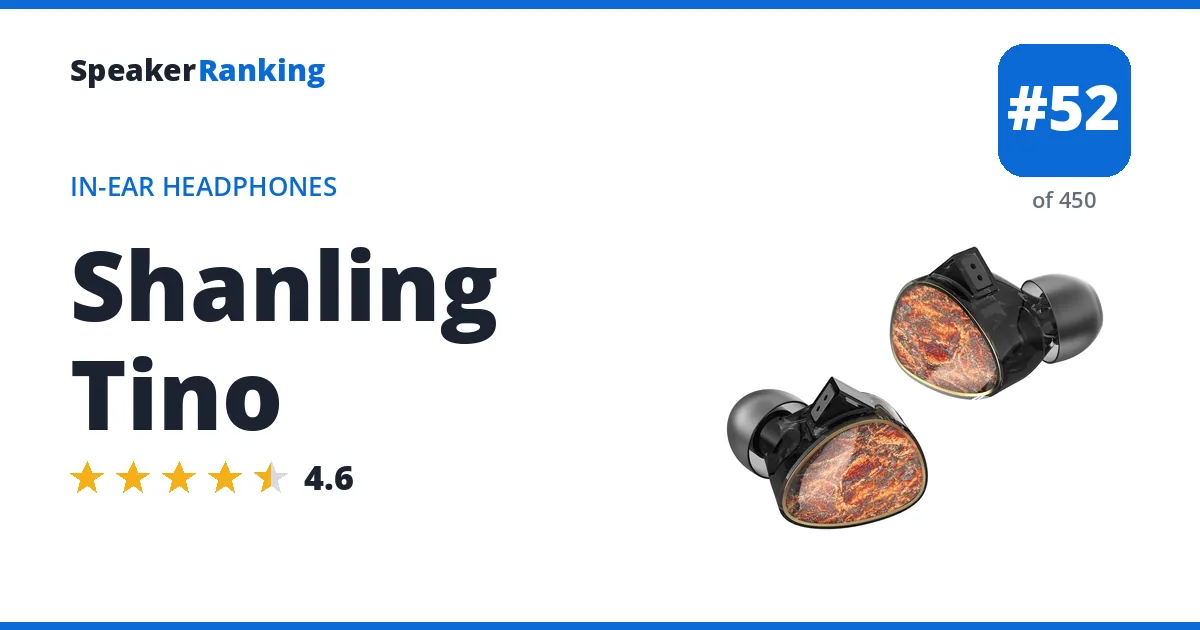
Pros: Five squig.link measurements give it a preference score of 80.8 with 1.37 dB of deviation, and its dual dynamic drivers keep sub-bass within a fraction of a dB of target to 30 Hz. A 1.4 dB bass lift adds warmth while the upper mids and presence stay within about half a dB of target, so vocals sound natural. At 113 dB sensitivity and 16 ohms it gets loud from any phone, and it shares its rating with the Moondrop Marigold and DUNU Kima Classic.
Cons: A 5.2 dB dip near 10.6 kHz and treble about 1.2 dB under target trim some sparkle from cymbals and ambience. A 4 dB peak at 8.1 kHz can occasionally emphasize sibilance, and there is no built-in mic.
Full Shanling Tino review and specifications →
| Back | Closed |
|---|---|
| Built-in Microphone | No |
| Connection | Wired |
| Deviation From Target | 1.37 dB standard deviation |
| Driver Type | Dynamic |
| Drivers | 1 x 10mm dynamic + 1 x 8mm dynamic |
| Form Factor | In-ear |
| Frequency Response | 18Hz - 28kHz (Manufacturer specified) |
| Harman Preference Score | 81 (median of 5 squig.link measurements, calibrated to AutoEQ) |
| Impedance | 16 ohms |
| Sensitivity | 113 dB |
| Sub-bass Extension | Within 6 dB of target down to 20 Hz (-0.2 dB at 30 Hz) |
| Tonal Tilt | -0.22 (negative is warmer, positive brighter) |
| Weight | 0 lbs (4.6 g) per earbud |
- Reviews, Comparisons and Sound Samples
- Head-to-Head Comparisons
 Tanchjim Ola Bass: $22.99 Amazon eBay

Pros: In the median of five squig.link measurements it scores 80.2 for preference, and its treble is remarkably even, with no peak larger than 1.6 dB or dip deeper than 1.9 dB between 1.5 and 12 kHz. A 2.1 dB bass lift gives the warm, punchy low end its name promises. At 126 dB/Vrms and 16 ohms it runs effortlessly from a phone, and the inline mic handles calls.
Cons: Sub-bass trails the midbass by about 3 dB, so the deepest rumble is lighter than the bass emphasis above it. Low mids sit about 1.1 dB above target, which can make dense mixes sound slightly thick.
Full Tanchjim Ola Bass review and specifications →
| Back | Closed |
|---|---|
| Built-in Microphone | Yes |
| Connection | Wired |
| Deviation From Target | 1.48 dB standard deviation |
| Driver Type | Dynamic |
| Drivers | 1 x 10mm dynamic |
| Form Factor | In-ear |
| Frequency Response | 7Hz - 45kHz (Manufacturer specified) |
| Harman Preference Score | 80 (median of 5 squig.link measurements, calibrated to AutoEQ) |
| Impedance | 16 ohms |
| Sensitivity | 126 dB/Vrms |
| Sub-bass Extension | Within 6 dB of target down to 20 Hz (-1.9 dB at 30 Hz) |
| Tonal Tilt | -0.16 (negative is warmer, positive brighter) |
- Reviews, Comparisons and Sound Samples
- Head-to-Head Comparisons