Editor's top picks
Start with these speakers
Our leading recommendations at a glance. Each card links to its primary retailer.
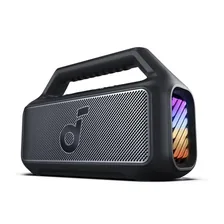 Step 3: Decide Whether You Actually Want Neutral Sound
Soundcore Boom 2
$99.99
See the full review →
Step 3: Decide Whether You Actually Want Neutral Sound
Soundcore Boom 2
$99.99
See the full review →
Not sure which Bluetooth speaker to buy? This guide walks the three decisions that actually narrow 393 ranked speakers down to a shortlist: how big, how much, and what you want it to sound like. The last one matters more than most buyers expect, because our rankings sort by neutral, accurate sound, and plenty of people are happier with something else.
Unlike sponsored review sites, we provide complete transparency: honest pros and cons, detailed specs, sound samples, comparison videos, and links to measurements. Every ranking is backed by data from trusted, unbiased audio experts.
Quick Navigation
- Step 1: Pick The Size Class First
- Step 2: Set A Budget Inside That Size
- Step 3: Decide Whether You Actually Want Neutral Sound
- Step 4: Rule Speakers Out On Features
- Step 5: Picks By Buyer Profile
- Mistakes That Cost People Money
- Where To Go Next
Prices on this page were last checked September 22, 2026 at 5:11 AM UTC. Product prices and availability are accurate as of that date/time and are subject to change; the price and availability shown on Amazon at the time of purchase will apply to the purchase of this product.
As an eBay Partner, we may be compensated if you make a purchase.
Step 1: Pick The Size Class First
Size is the only decision you can’t buy your way out of. Bass depth and maximum volume are set by how much air a speaker can move, so a $400 pocket speaker will never reach as low as a $100 speaker three times its size. Choose the largest class you’ll actually carry, then shop inside it.
Each class below lists the weight range, how deep the best speakers in it reach, and the equivalent home speaker, so you can picture the bass you’re getting.
Small: around 200 to 380 g (0.4 to 0.8 lbs), pocketable, clips to a bag or a bike. The best reach about 58-65 Hz, so bass is present but a little slappy since they can’t hit the lowest notes. Good for a desk, a shower, a tent, or a hike. Most of the worthwhile ones cost $20-$100. See all 47 small speakers.
Medium: roughly 500 g to 1 kg (1.1 to 2.2 lbs), about the size of a 1 L water bottle and it fits a car cupholder or bottle cage. The best reach about 50-56 Hz, comparable to a 5.25” woofer bookshelf speaker. This is the best all-round class for one speaker that does everything: bedroom, kitchen, desk, picnic. Sweet spot is $50-$200. See all 142 medium speakers.
Large: roughly 1.4 to 3.5 kg (3.1 to 7.7 lbs), still fits in a backpack. The best reach about 44-48 Hz, comparable to a 6.5” woofer bookshelf speaker, and one outlier gets to 31 Hz. This is the minimum size that fills a living room or holds up outdoors for a group. Good ones run $90-$400. See all 78 large speakers.
Boombox: roughly 3 to 7 kg (6.6 to 15.4 lbs) with a handle, a genuinely portable party speaker that fits a large backpack. The best reach about 35-43 Hz, comparable to an 8” woofer tower, enough to shake a floor at medium volume. Most need AC power to charge. Expect $130-$400. See all 75 boombox speakers.
Party: roughly 7 to 18 kg (15.4 to 39.7 lbs), two-handed or wheeled. The best reach about 32-45 Hz, comparable to a 10” woofer tower. Overkill for normal listening; buy one only if you need very deep bass or real volume for a crowd. All need AC to charge. Typically $300-$1,100. See all 39 party speakers.
Large Party: 25.5 kg (56.2 lbs) and up, some over 30 kg (66.1 lbs), and most require AC power with no battery at all. Bass comparable to a 12” woofer tower. These are dedicated event speakers, $380-$1,500. See all 12 large party speakers.
If you’re throwing parties for more than 50 people, stop shopping Bluetooth speakers and browse mains PA speakers instead. If you need live inputs but not a wall outlet, see party speaker vs. battery-powered PA. If you need to run a conventional PA away from an outlet, compare battery-powered PA speakers with mains PA speakers before adding a portable power station.
Step 2: Set A Budget Inside That Size
Within a size class, price and sound quality track each other far more loosely than you’d think. Several of the top-ranked speakers on this site are among the cheapest in their class, and some of the most expensive ones rank mid-pack because their tuning is aimed at showroom impact rather than accuracy.
Two rules that save money:
Spend on size before you spend on brand. A $100 large speaker beats a $250 medium one on bass and volume nearly every time. If the size fits your life, moving up a class is the highest-value upgrade available.
Stop at the point where you can’t hear the difference. For the average listener, anything in the top 50% of a size ranking will sound great; critical listeners should aim for the top 20%. Past that you’re paying for build, styling, features, or brand, which are perfectly good reasons to spend, just not sound-quality reasons.
If price is the hard constraint, the best budget speakers page picks the best value in each size class, or shop by exact ceiling: under $50, under $100, under $200, under $500. Here’s what the bottom of the market looks like when it’s done right:
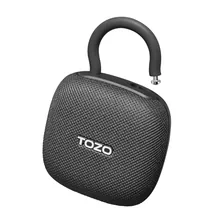 The cheapest speaker on this site that still sounds genuinely good is the small Tozo PE1: $19.97 Amazon eBay
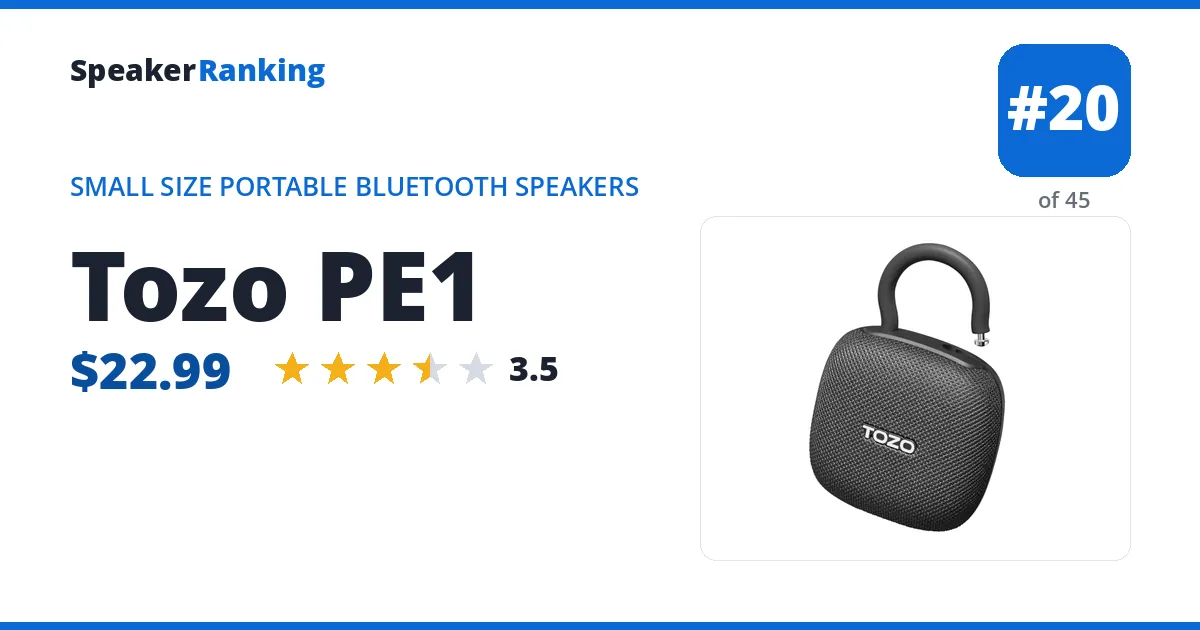
Pros: Tozo PE1 uses 43.5mm. Its 248 g, claimed 12 hours (Specification says 32 hours, it is nowhere near that) (Manufacturer specified) battery life, IPX8 protection and mono playback make it a practical option for its intended room or portable use. Measured bass extension of 68Hz (-10dB).
Cons: Bass is limited by its 68Hz specification.
Full Tozo PE1 review and specifications →
| Amplifier Power | 10W |
|---|---|
| App | Yes |
| Aux Input | No |
| Bass Extension (-10dB) | 68Hz |
| Battery Life | 12 hours (Specification says 32 hours, it is nowhere near that) (Manufacturer specified) |
| Bluetooth Codecs | SBC |
| Bluetooth Version | 5.4 |
| Built-in Microphone | Yes |
| Digital Aux Input | No |
| Dimensions | 5.1" x 3.5" x 1.7" (129 x 90 x 44 mm) |
| Drivers | 43.5mm |
| EQ | Yes |
| Frequency Response | 80Hz - 20kHz (Manufacturer specified) |
| IP Rating | IPX8 |
| Omnidirectional | Pointing up |
| Party Mode | No |
| Power Bank | No |
| Power Input | USB-C |
| Stereo | No |
| TWS | Yes |
| Weight | 0.5 lbs (248 g) |
- Links
- Reviews, Comparisons and Sound Samples
- Head-to-Head Comparisons
Step 3: Decide Whether You Actually Want Neutral Sound
Our rankings are ordered by neutrality: flat frequency response, natural-sounding voices, bass that’s deep rather than merely loud, verified against measurements and independent reviewers. That’s the right default, and it’s what most people mean when they say a speaker “sounds good.”
It is not what everyone wants. You may be shopping for something else entirely, and that’s a legitimate choice, not a mistake:
You want bass you can feel. Neutral speakers can sound polite at a party or on a patio. Boosted bass is genuinely more fun for electronic music, hip-hop, and background listening at a distance. Start at best bass.
You need volume above all. Loudness and accuracy pull in opposite directions, since the drivers and amplifier have to be tuned for headroom instead of balance. See loudest speakers or browse mains PA speakers for real PA territory.
You’re listening outdoors. With no walls to reinforce bass, a neutral speaker sounds thin outside and a bass-boosted one sounds correct. Best for outdoor use accounts for this.
You’re a critical listener. If you want to hear what the recording actually contains, go the other direction: best sound quality is ranked on exactly that.
You want a specific look. Styling is a real requirement. Just be aware you’re trading measured performance for it, and the rankings will tell you exactly how much.
One thing worth knowing before you decide
EQ makes this decision much less permanent than it looks. Most modern speakers ship with an app and a multi-band EQ, so a neutral speaker can be turned into a bass monster in about ten seconds. The reverse is not true: you can pull a boost down, but you cannot fill in a dip in the response that the driver or enclosure never produced. Our reviewers publish EQ presets for many of the top speakers, collected on the EQ presets page and linked on each speaker’s entry.
The practical consequence: when you’re torn, buy the more neutral speaker with a good app EQ. It can be both. Here’s the clearest example on the site, a speaker whose stock tuning is quite V-shaped and whose corrected tuning is excellent:
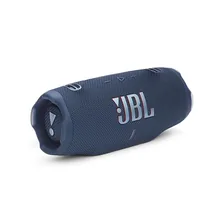 If you want big, fun, boosted bass from a speaker that can also be EQ'd flat, get the medium JBL Charge 6: $199.95 Amazon B&H Photo Video eBay
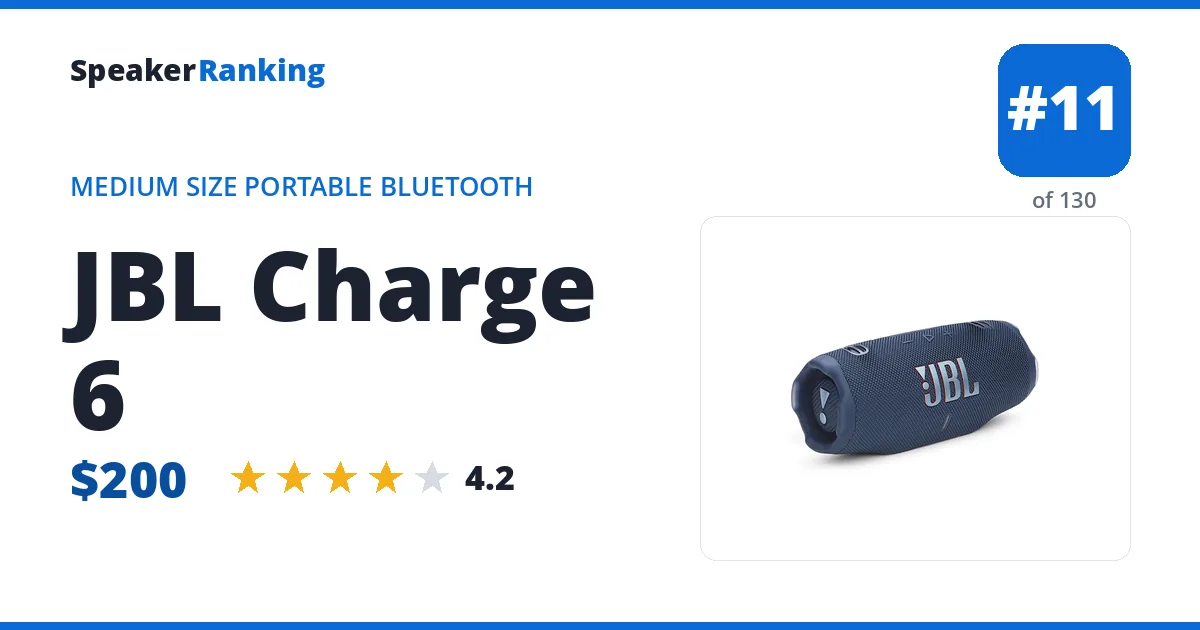
Pros: Seems more neutral than the Charge 5. Flatter frequency response through the mids and treble as the Charge 5 was quite rolled off up high. Use this EQ from Joy/Oluv and turn down the lowest bass slider for the best sound quality. Oluv has even more paid EQs specifically for the GG and TL models indoors and outdoors here. Measured bass extension of 53Hz (-10dB).
Cons: Still some boosted bass by default. Mids are recessed. Bright above 2kHz. Quite a V shaped frequency response.
Full JBL Charge 6 review and specifications →
| Amplifier Power | 45W |
|---|---|
| App | Yes |
| Aux Input | No |
| Bass Extension (-10dB) | 53Hz |
| Battery Life | 24 hours (Manufacturer specified) |
| Bluetooth Codecs | SBC, AAC |
| Bluetooth Version | 5.4 |
| Built-in Microphone | No |
| Digital Aux Input | Yes (USB-C) |
| Dimensions | 9" x 3.9" x 3.7" (228.8 x 98.5 x 94 mm) |
| Drivers | 53mm x 93mm woofer, 20mm tweeter |
| EQ | Yes (7 band) |
| Frequency Response | 56Hz - 20kHz (-6dB) (Manufacturer specified) |
| IP Rating | IP68 |
| Maximum SPL | 102dB (measured by Alan Ross Reviews) |
| Omnidirectional | No |
| Party Mode | Yes (Auracast) |
| Power Bank | Yes (USB-C, 5V/2.4A) |
| Power Input | USB-C |
| Stereo | No |
| TWS | Yes |
| Weight | 2.2 lbs (990 g) |
- Links
- Reviews, Comparisons and Sound Samples
- JOY‘s 🎧3D🔈Audio-Show: JBL Charge 6 vs JBL Xtreme 4 - outdoor test More from Oluv’Sone →
- JOY‘s 🎧3D🔈Audio-Show: JBL Charge 6 vs SoundCore Boom 2 - David vs Goliath
- JOY‘s 🎧3D🔈Audio-Show: JBL Charge 6 vs JBL Xtreme 4 - basstest (bigger=better?)
- JOY‘s 🎧3D🔈Audio-Show: JBL Charge 6, Xtreme 4 & Earfun UBoom X - taking sound to the top
- Alan Ross Reviews: JBL Charge 6 or the JBL Charge 5? don’t go home till you watch this! More from alanrossreviews →
- Alan Ross Reviews: JBL Xtreme 4 vs Flip 7 vs Charge 6 – The ULTIMATE JBL Speaker Showdown!
- Oluv Patreon: Marshall Middleton II - better with EQ?
- Oluv Patreon: An evening with the “best portable speakers”?
- Oluv Patreon: Bose Soundlink Plus vs JBL Charge 6 - fight!
- Mateusz Cholewa: JBL Charge 6 🎶👌Unboxing 📦vs Jbl Charge 5 Short Test Audio i Hz. More from Mateusz Cholewa →
- GYMCADDY: JBL Charge 6 Review - Worth Upgrading Even If You Have The JBL Charge 5 More from GYMCADDY →
- Oluv Patreon: JBL Charge 6 - good or bad?
- Joy & Oluv’Sone: JBL, Bose, B&O, Sonos, Earfun, SoundCore… which portable speaker sounds best?
- M1MTechChannel: Welche JBL Partybox ist die BESTE ? Alle Partyboxen im Vergleich | 2026 More from M1MTechChannel →
- Head-to-Head Comparisons
If you want deep bass on a budget and don't mind loading an EQ preset, the large Soundcore Boom 2: $99.99 Amazon B&H Photo Video eBay
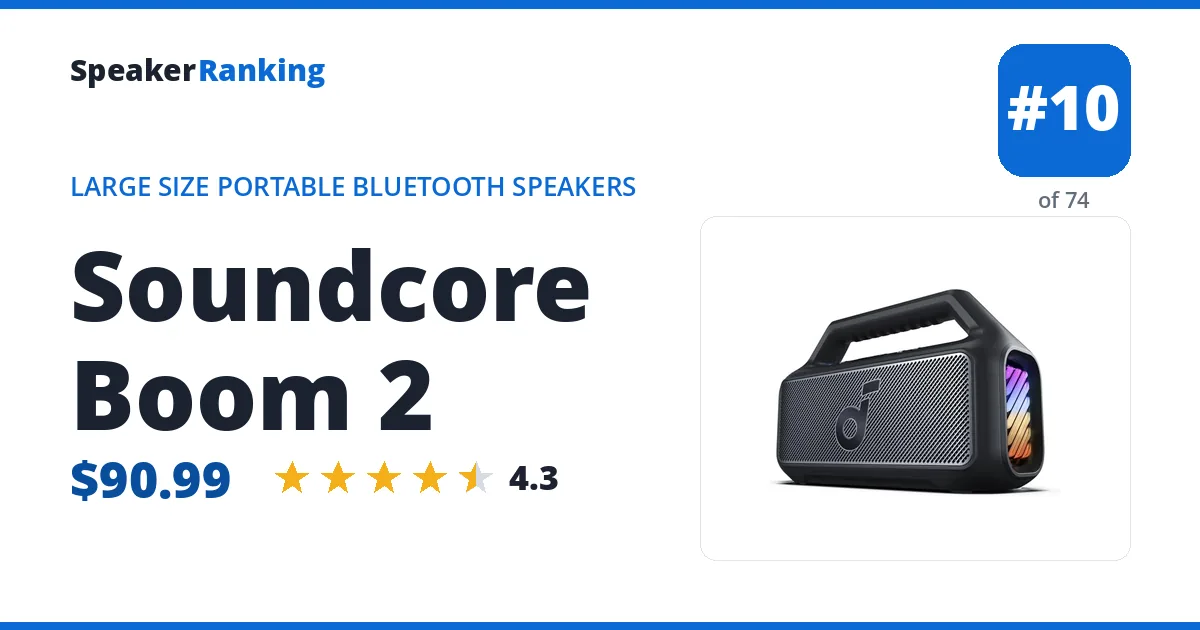
Pros: Pretty deep bass for the size. Cool lights in the side passive radiators. For the best sound quality use Oluv’s EQ or Alan Ross’s EQ. With the stock tuning, this speaker would rank around #24, due to the boosted bass and rising treble. Measured bass extension of 47Hz (-10dB).
Cons: Only a single midrange driver, so you only get stereo for the tweeters. Sound processing issues with inconsistent bass notes that disappear at low levels like the Soundcore Boom and Soundcore Boost, not great for listening at low levels. Quite bass heavy with BassUp turned on, which is best left off. A little bit of a bright tuning in the treble, about +5db.
Full Soundcore Boom 2 review and specifications →
| Amplifier Power | 80W |
|---|---|
| App | Yes |
| Aux Input | No |
| Bass Extension (-10dB) | 47Hz |
| Battery Life | 24 hours (Manufacturer specified) |
| Bluetooth Codecs | SBC |
| Bluetooth Latency | 125ms |
| Bluetooth Version | 5.3 |
| Built-in Microphone | No |
| Digital Aux Input | No |
| Dimensions | 11.7" x 7.3" x 4" (297 x 185 x 102 mm) |
| Drivers | 120mm x 90mm woofer, 2x 20mm tweeters |
| EQ | Yes |
| Frequency Response | 45Hz - 20kHz (Manufacturer specified) |
| IP Rating | IPX7 |
| Lights | Yes |
| Maximum SPL | 105dB (measured by Alan Ross Reviews) |
| MicroSD Playback | No |
| Omnidirectional | No |
| Party Mode | Yes (PartyCast 2.0 up to 100 speakers) |
| Power Bank | Yes (USB-A) |
| Power Input | USB-C |
| Stereo | Partially (1 woofer) |
| TWS | Yes |
| Weight | 3.7 lbs (1.68 kg) |
- Links
- Reviews, Comparisons and Sound Samples
- JOY‘s 3D Audio Show: Tribit StormBox Lava vs SoundCore Boom 2 - sound quality demo More from Oluv’Sone →
- JOY‘s 🎧3D🔈Audio-Show: JBL Charge 6 vs SoundCore Boom 2 - David vs Goliath
- Mateusz Cholewa: TRIBIT StormBox LAVA vs Soundcore BOOM 2 More from Mateusz Cholewa →
- Joy & Oluv’Sone: Bose SoundLink Max & SoundCore Boom 2 - indoor soundtest
- Joy & Oluv’Sone: Bose SoundLink Max & SoundCore Boom 2 - outdoor soundtest
- Joy & Oluv’Sone: Best portable speakers 2025 - get the best bang for your buck $$$
- Oluv Patreon: SoundCore Boom 3i - first impressions & EQs
- Alan Ross Reviews: Ultimate Soundcore Boom 2 Review - Is It Worth The Hype? More from alanrossreviews →
- Oluv Patreon: Anker Soundcore Boom 2 - first impressions
- Jay’s Straight Up Reviews & More: Soundcore Boom 2 💣vs Mifa Wildbox 🪇 Basement Battle of the Bluetooth Boombox Welterweights ⚖️ More from JaysStraightUpReviews →
- Jay’s Straight Up Reviews & More: New Release! Soundcore Boom 2 😯 Bluetooth Boombox Speaker 🔊 Unboxing, First Look & Sound Demo
- CEONTHEMAKING: Soundcore Boom 2 - HANDS DOWN The Best Speaker Under $150! More from CEONTHEMAKING →
- Josh’s Gadgets and More: Budget Monster ZZA K8 vs Soundcore Boom 2
- Joy & Oluv’Sone: JBL, Bose, B&O, Sonos, Earfun, SoundCore… which portable speaker sounds best?
- Joy & Oluv’Sone: Sony ULT Field 5 vs Anker SoundCore Boom 2 - listening test
- Head-to-Head Comparisons
- Soundcore Boom 2 vs Mifa Wildbox
- Soundcore Boom 2 vs Marshall Stockwell 2
- Soundcore Boom 2 vs B&O Beosound A5
- Soundcore Boom 2 vs Harman Kardon Citation 200
- Soundcore Boom 2 vs Soundcore Motion Boom
- Soundcore Boom 2 vs Soundcore Select Pro
- Soundcore Boom 2 vs Minirig 4 with subwoofer
- Soundcore Boom 2 vs Brane X
- See all 58 comparisons
Step 4: Rule Speakers Out On Features
Features are the fastest filter, because they’re pass or fail. Decide which of these you truly need, then use the matching list, since each one eliminates most of the market:
- Aux input for a turntable, a mixer, or a TV: best aux input. Watch the latency spec if you’ll use it for video.
- USB audio for a clean digital connection from a phone or laptop: best USB audio.
- Wi-Fi for multi-room streaming and better-than-Bluetooth quality: best Wi-Fi speakers.
- SD card slot for playback with no phone at all: best SD card.
- FM radio for local broadcasts without a phone or data connection: best FM-radio speakers.
- Microphone input for karaoke, speeches, or PA use: best mic input, or built-in wireless mics. Full setups are covered in karaoke equipment; for a real live-sound input path, see party speaker vs. battery-powered PA.
- Built-in microphone for speakerphone calls: best built-in mic.
- Removable battery so the speaker outlives its cells: best removable battery.
- Long runtime for a weekend away from an outlet: best Bluetooth speakers with long battery life.
- Phone charging from the speaker’s own battery: best Bluetooth speakers with a power bank.
- Party mode / multi-speaker pairing to link two or many speakers: best party mode. Note that these systems are brand-locked; JBL Auracast speakers won’t pair with Soundcore PartyCast ones, and JBL’s own three generations don’t interoperate either.
- Water resistance matters more than the marketing implies. IPX7 means full submersion; IPX4 is splash-only, which is most of the party class. Every speaker’s IP rating is in its spec table.
Two features people assume are universal and aren’t: stereo (most portables are mono, or mono bass with stereo tweeters, and you need two paired speakers for real stereo) and charging from USB-C (most boombox and party speakers need a mains adapter).
Step 5: Picks By Buyer Profile
These are the shortlist answers for the most common combinations of size, budget, and preference. Every one of them is near the top of its own size ranking.
 For a pocket-sized speaker for travel, hiking, and the shower, get the Tribit Stormbox Micro 2: $49.99 Amazon Aliexpress eBay
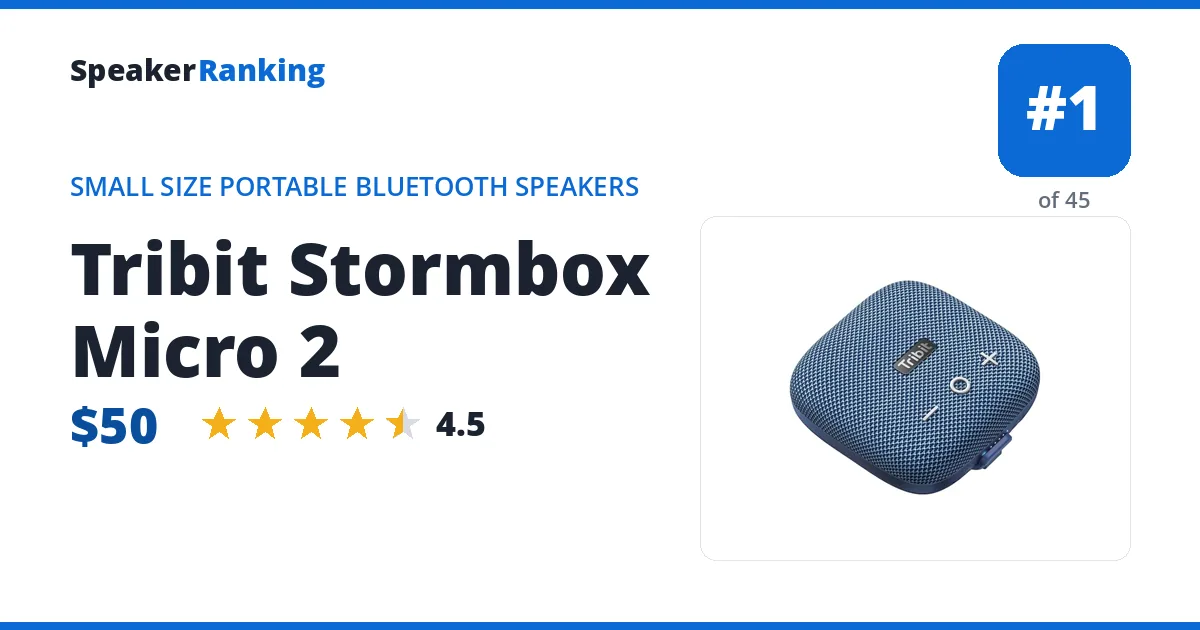
Pros: Best in class sound. Much deeper bass than most other speakers in the size. Built in strap is super useful for attaching it to things. Very neutral. To have it aimed directly at you unclip the strap and the speaker will sit upright with a slight lean back. Measured bass extension of 65Hz (-10dB).
Cons: Finicky phone charging, which doesn’t usually work.
Setup: Use in Music EQ mode, when you switch to custom it’s not able to boost the bass properly as it is missing an EQ band that Music EQ mode uses
Full Tribit Stormbox Micro 2 review and specifications →
| Amplifier Power | 10W |
|---|---|
| App | Yes |
| Aux Input | No |
| Bass Extension (-10dB) | 65Hz |
| Battery Life | 12 hours (Manufacturer specified) |
| Bluetooth Codecs | SBC |
| Bluetooth Latency | 265ms |
| Bluetooth Version | 5.3 |
| Built-in Microphone | Yes |
| Digital Aux Input | No |
| Dimensions | 3.9" x 3.9" x 1.7" (99.1 x 99.1 x 42.7 mm) |
| Drivers | 48mm NdFeB driver |
| EQ | Yes (9 Band) |
| IP Rating | IP67 |
| Maximum SPL | 94dB (measured by Alan Ross Reviews) |
| Omnidirectional | Pointing up |
| Party Mode | No |
| Power Bank | Yes (but it doesn't usually work; USB-C, 10W) |
| Power Input | USB-C |
| Stereo | No |
| TWS | Yes |
| Weight | 0.7 lbs (317 g) |
- Links
- Reviews, Comparisons and Sound Samples
- Alan Ross Reviews: TRIBIT StormBox Micro 3, fully tested vs Micro 2, not clickbait More from alanrossreviews →
- Alan Ross Reviews: Tribit Stormbox Micro 2 ultimate review 🤭 vs Micro 1 - small and mighty!
- Alan Ross Reviews: Tribit Stormbox Micro 2 vs Bose Soundlink Micro for best small speaker! 👌
- Storytripper HD: Bose Micro 2 vs Soundcore Boom Go 3i vs Tribit Micro 2 More from storytripperhd →
- Danny Pops: I WAS BLOWN AWAY - Tribit Stormbox Micro 2 VS Marshall Willen More from DannyPops →
- Sound Quality Joss: Tribit Stormbox Micro 2 VS Anker Soundcore Mini 3 Pro
- Storytripper HD: Marshall Willen vs Tribit Stormbox Micro 2
- Alkar Audio: Speaker Bluetooth Marshall Willen Review VS Tribit Stormbox Micro 2
- MyTechAudio: MARSHALL WILLEN Detail Review Indonesia Vs TRIBIT Micro 1 & Micro 2
- Gi Rides: Tribit Stormbox Micro 2 vs JBL Clip 4 - sound battle
- Joy & Oluv’Sone: Best portable speakers 2025 - get the best bang for your buck $$$ More from Oluv’Sone →
- Storytripper HD: Marshall Willen vs Tribit StormBox Micro 2 vs Klipsch Austin
- DIY Subwoofers - Stormbox Micro 2 Measurements and Review
- Head-to-Head Comparisons
- Tribit Stormbox Micro 2 vs Soundcore Boom Go 3i
- Tribit Stormbox Micro 2 vs Minirig Mini 2
- Tribit Stormbox Micro 2 vs Minirig Mini
- Tribit Stormbox Micro 2 vs Tribit Stormbox Micro
- Tribit Stormbox Micro 2 vs Tribit Stormbox Micro 3
- Tribit Stormbox Micro 2 vs Teufel Boomster Go
- Tribit Stormbox Micro 2 vs Soundcore Mini 3 Pro
- Tribit Stormbox Micro 2 vs Soundcore Mini 3
- See all 39 comparisons
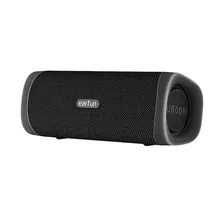 For one speaker to do everything around the house at the lowest sensible price, get the Earfun Uboom L: $49.79 after coupon UBOOMLWC Amazon Myearfun eBay
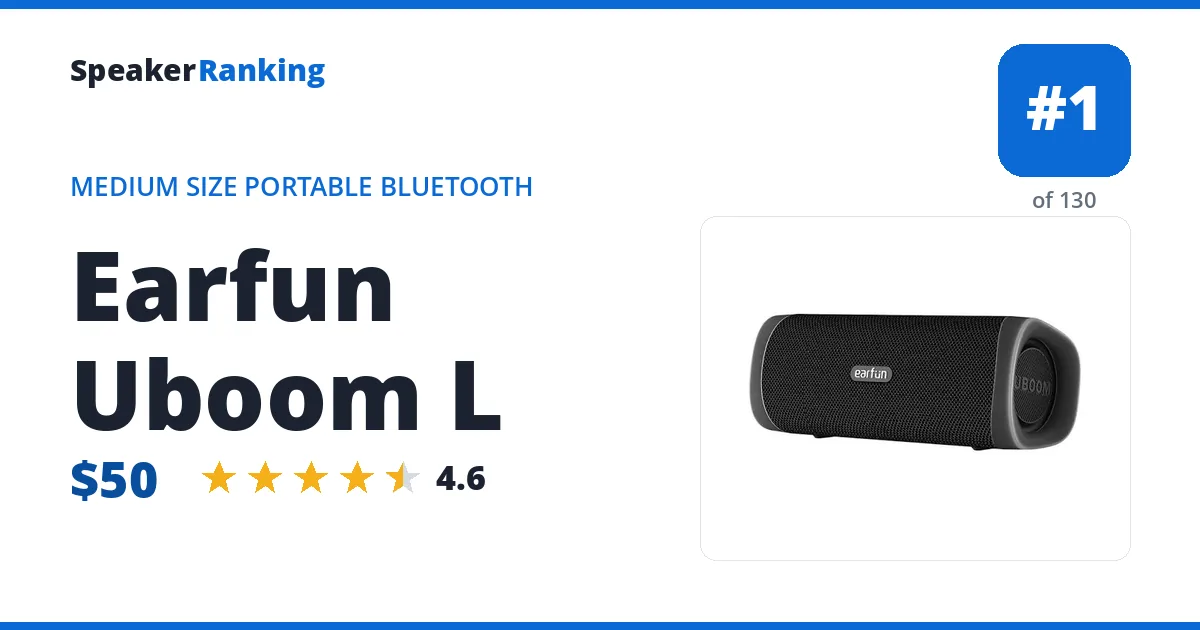
Pros: One of the strongest small-speaker values for music: reviews praise clear vocals, a natural overall balance and a genuinely convincing stereo image when two are paired. IP67 protection, indoor/outdoor sound modes and Video Mode make it unusually adaptable; Video Mode substantially improves lip-sync for a single speaker. Measured bass extension of 56Hz (-10dB).
Cons: It cannot produce real low-bass rumble or fill a large, noisy space, and the top end loses some detail. Low-latency Video Mode disables stereo pairing, so a two-speaker setup is not a good movie system. Firmware and app behavior have also varied over the model’s long life, and the physical controls can be easy to trigger in a bag.
Setup: Try setting up the Earfun App (Android or iOS) to see if that works. If not, you’ll need to flash firmware 1.2.7 to work with the app and set with Oluv’s EQ in the Earfun app which sounds the best. The instructions say that you need a USB3 cable, but most USB2 cables work just fine, try the one included with your phone. Check the current firmware version by turning it on, then pressing the power and Bluetooth buttons at the same time. To flash, turn the speaker off then hold down the Bluetooth button while plugging in the cable. To flash on a mac, see these instructions. In TWS mode, long press the outdoor button for 2 seconds to change TWS to Party mode and back.
Full Earfun Uboom L review and specifications →
| Amplifier Power | 28W |
|---|---|
| App | Yes (firmware >= 1.2.6) |
| Aux Input | Yes |
| Aux Latency | 216ms |
| Bass Extension (-10dB) | 56Hz |
| Battery Life | 16 hours (Manufacturer specified) |
| Bluetooth Codecs | AAC, SBC |
| Bluetooth Latency | 400ms normal / 66ms low latency mode |
| Bluetooth Version | 5.0 |
| Built-in Microphone | Yes |
| Digital Aux Input | No |
| Dimensions | 3.1" x 8.3" x 2.8" (78 x 210 x 72 mm) |
| Drivers | 2x 55mm drivers + 2x passive radiators |
| EQ | Yes (10 band, firmware >= 1.2.6) |
| IP Rating | IP67 |
| Maximum SPL | 103dB (measured by Alan Ross Reviews) |
| Omnidirectional | No |
| Party Mode | No |
| Power Bank | No |
| Power Input | USB-C |
| Stereo | Yes |
| TWS | Yes |
| Weight | 1.4 lbs (650 g) |
- Links
- Reviews, Comparisons and Sound Samples
- Joy & Oluv’Sone: Best portable speakers 2025 - get the best bang for your buck $$$ More from Oluv’Sone →
- Oluv Patreon: SoundCore Boom 3i - first impressions & EQs
- Joy & Oluv’Sone: New Beats Pill 2024: sound demo
- CEONTHEMAKING: Earfun Uboom L - This Speaker Replaced My JBL Flip 6… More from CEONTHEMAKING →
- Techder Audios: EARFUN UBOOM L VS SOUNDCORE MOTION+ More from techderaudios →
- Alan Ross Reviews: Earfun UBoom L Review Speaker tuned by a Geek vs Soundcore Motion Plus $100 dollar best portable? More from alanrossreviews →
- Oluv Patreon: Soundcore Motion 300 = Bose Soundlink Flex = Earfun UBoom L?
- Jay’s Straight Up Reviews & More: Earfun UBoom L 💣(EQ2) 🆚 Tribit XSound Mega 🔥(XBass EQ)- Bluetooth Speaker Bedroom Bash. Who U Got?🔝 More from JaysStraightUpReviews →
- Joy & Oluv’Sone: JBL, Bose, B&O, Sonos, Earfun, SoundCore… which portable speaker sounds best?
- DIY Subwoofers - Uboom L Measurements and Review
- Head-to-Head Comparisons
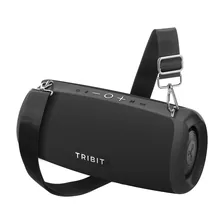 For the best bass-per-dollar in a backpack-sized speaker, get the Tribit Stormbox Lava: $100 Amazon Aliexpress eBay
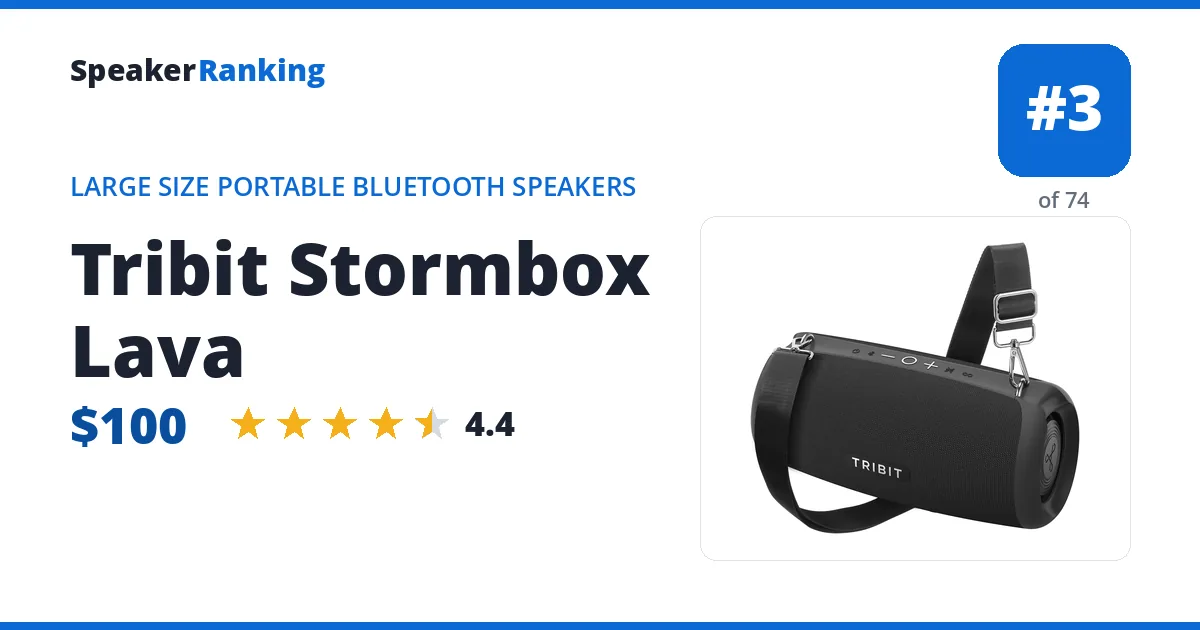
Pros: A powerful, IP67-rated portable speaker with a measured 44Hz -10dB bass point, 10-band app EQ, aux input and 24-hour claimed battery life. Independent reviews find that it gets loud with impactful bass, and careful EQ or current firmware can produce relatively clean sound through the mids and highs. Measured bass extension of 44Hz (-10dB).
Cons: XBass can make the low end muddy and obscure vocals, while the deepest notes lose authority and clarity falls at maximum volume. It is heavy for its size, its front-facing design has a narrow soundstage, and one review noted a brief sound interruption while changing volume; use a restrained EQ rather than expecting neutral sound out of the box.
Setup: Try out the Alan Ross EQ’s at this timestamp in his video There’s also a max bass EQ from Oluv and you can turn down the lowest slider for it to be more neutral
Full Tribit Stormbox Lava review and specifications →
| Amplifier Power | 80W |
|---|---|
| App | Yes |
| Aux Input | Yes |
| Aux Latency | 20ms |
| Bass Extension (-10dB) | 44Hz |
| Battery Life | 24 hours (Manufacturer specified) |
| Bluetooth Codecs | AAC, SBC |
| Bluetooth Latency | 128ms AAC, 144ms SBC |
| Bluetooth Version | 5.4 |
| Built-in Microphone | Yes |
| Digital Aux Input | No |
| Dimensions | 12.2" x 5.8" x 6" (310 x 147 x 152 mm) |
| Drivers | 2x 70mm woofers, 2x 30mm tweeters |
| EQ | Yes (10 band) |
| Frequency Response | 43Hz - 20kHz (Manufacturer specified) |
| IP Rating | IP67 |
| Maximum SPL | 108dB (measured by Alan Ross Reviews) |
| Omnidirectional | No |
| Party Mode | No |
| Power Bank | Yes (USB-A) |
| Power Input | USB-C |
| Stereo | Yes |
| TWS | Yes |
| Weight | 5.2 lbs (2.37 kg) |
- Links
- Reviews, Comparisons and Sound Samples
- JOY‘s 3D Audio Show: Tribit StormBox Lava vs SoundCore Boom 2 - sound quality demo More from Oluv’Sone →
- Oluv Patreon: An evening with the “best portable speakers”?
- Alan Ross Reviews: Tribit Stormbox Lava Latest Firmware Update Result! v2.0.3 More from alanrossreviews →
- Alan Ross Reviews: From harsh to smooth with these EQ settings - Tribit StormBox Lava
- Alan Ross Reviews: Tribit StormBox Lava Just Got a MASSIVE Update… WOW! 🔥
- Alan Ross Reviews: Some people love the Tribit Stormbox Lava, highly professional review 😁
- Mateusz Cholewa: Tribit Stormbox Blast 🎶 🆚Deep BASS - Tribit Stormbox LAVA More from Mateusz Cholewa →
- Mateusz Cholewa: TRIBIT StormBox LAVA vs EarFun UBOOM X
- Mateusz Cholewa: TRIBIT StormBox LAVA vs Soundcore BOOM 2
- Mateusz Cholewa: TRIBIT StormBox LAVA - Unboxing.📦 Short Test vs Xtreme 4
- Mateusz Cholewa: TRIBIT StormBox LAVA Deep BASS 🆚 JBL XTREME 4
- Oluv Patreon: Tribit Stormbox Lava - quick look
- Mateusz Cholewa: 👌TRIBIT StormBox LAVA Deep Bass 🆚 Bogasing S8 Pro MAX - HiFi?
- Head-to-Head Comparisons
- Tribit Stormbox Lava vs JBL Xtreme 5
- Tribit Stormbox Lava vs Brane X
- Tribit Stormbox Lava vs Minirig 4 with subwoofer
- Tribit Stormbox Lava vs Vifa Helsinki
- Tribit Stormbox Lava vs Soundcore Boom 2
- Tribit Stormbox Lava vs Marshall Stockwell 2
- Tribit Stormbox Lava vs Harman Kardon Citation 200
- Tribit Stormbox Lava vs Soundcore Motion Boom
- See all 50 comparisons
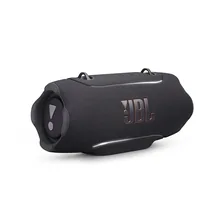 If you want the best large speaker regardless of price and a battery you can replace, get the JBL Xtreme 5: $399.95 Amazon B&H Photo Video eBay
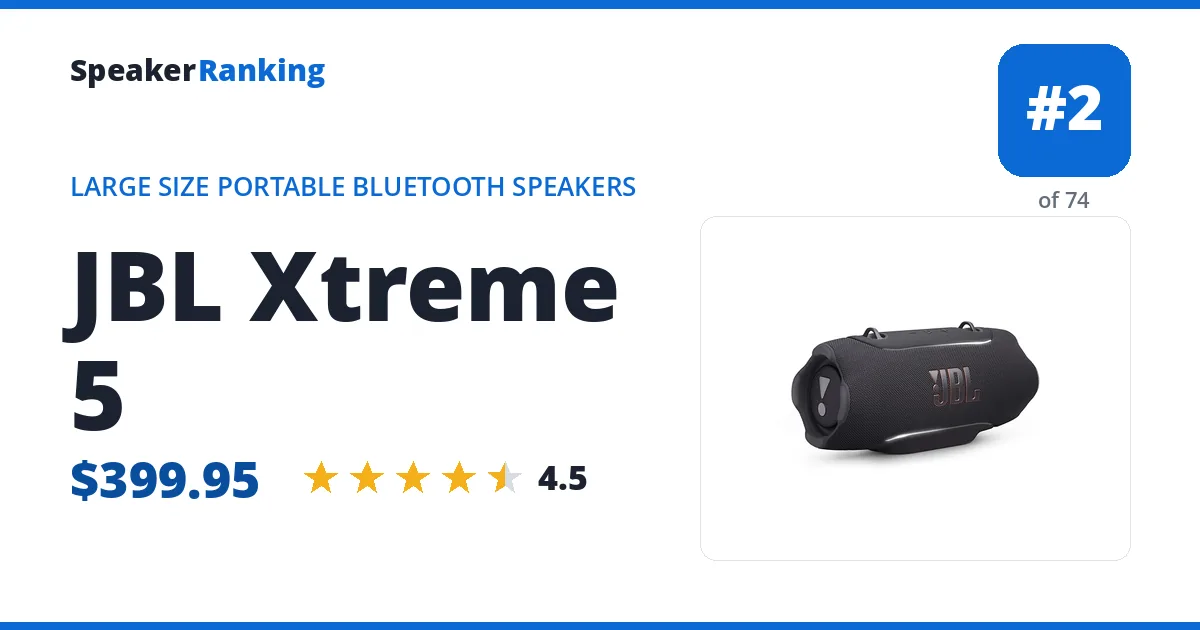
Pros: Removable battery. Quite deep bass, reaching well below 40Hz. A fantastic sounding speaker with excellent off-axis dispersion, a big step up from older JBL portables. Beats the Soundcore Boom 2 and Tribit Stormbox Blast on bass depth and clarity. Plays clean at volume, unlike the JBL Boombox 4.
Cons: High priced. Some bass boost. A hole in the mid-upper bass which can’t be EQ’d out. Default EQ presets are weak (Signature is boring, Chill and Vocal are close to unusable) - needs the custom EQ to sound its best. Bigger and heavier than the Xtreme 4.
Setup: Try this Oluv EQ for the most neutral sound
Full JBL Xtreme 5 review and specifications →
| Amplifier Power | 1 x 90W RMS Woofer + 2 x 20W RMS Tweeter (AC power mode) 1 x 60W RMS Woofer + 2 x 15W RMS Tweeter (Battery mode) |
|---|---|
| App | Yes |
| Aux Input | No |
| Battery Life | 28 hours (Manufacturer specified) |
| Bluetooth Codecs | SBC, AAC, LC3 |
| Bluetooth Version | 6.0 |
| Built-in Microphone | No |
| Digital Aux Input | Yes (USB-C) |
| Dimensions | 13.6" x 6.5" x 6.1" (346 x 165 x 155 mm) |
| Drivers | 98x145mm woofer, 2x 20mm tweeters + 2x passive radiators |
| EQ | Yes (7 band) |
| Frequency Response | 40Hz - 20kHz (Manufacturer specified) |
| IP Rating | IP68 |
| Maximum SPL | 110dB (measured by Alan Ross Reviews) |
| Omnidirectional | No |
| Party Mode | Yes (Auracast) |
| Power Bank | Yes (USB-C, 5V/3A) |
| Power Input | USB-C |
| Removable Battery | Yes |
| Stereo | Partially (1 woofer) |
| TWS | Yes |
| Weight | 6.4 lbs (2.9 kg) |
- Links
- Reviews, Comparisons and Sound Samples
- Joy & Oluv’Sone🔈3DAudio🎧& Music: JBL Xtreme 5 - universal EQ for best sound overall More from Oluv’Sone →
- Joy & Oluv’Sone🔈3DAudio🎧& Music: JBL Xtreme 5 - Best Bluetooth Speaker 2026 award
- Joy & Oluv’Sone🔈3DAudio🎧& Music: JBL Xtreme 5 vs Studio Monitors: too V-shaped or not to V-shaped, that’s the question!
- Joy & Oluv’Sone🔈3DAudio🎧& Music: JBL Xtreme 5 - outdoor test
- Joy & Oluv’Sone🔈3DAudio🎧& Music: Minirigs 4 with Sub 4 vs JBL Xtreme 5 - 1st impressions
- Oluv Patreon: VIFA Helsinki & JBL Xtreme 5 - listening test
- Oluv Patreon: JBL Xtreme 5 - 1st detailed impression with custom EQs
- Oluv Patreon: JBL Xtreme 5 - outdoor test
- Alan Ross Reviews: Brane X vs JBL Xtreme 5: Maximum Bass, No Mercy More from alanrossreviews →
- Alan Ross Reviews: JBL Xtreme 5 2026, massive upgrade over JBL Xtreme 4! Full tests!
- Alan Ross Reviews: JBL Xtreme 5 vs JBL Xtreme 4 in 2026
- Alan Ross Reviews: https://www.youtube.com/watch?v=K5ImoaGw3t0
- Alan Ross Reviews: JBL Xtreme 5 or the amazing Tribit Stormbox Blast? 🤔
- Head-to-Head Comparisons
 For a party speaker you can still carry one-handed to the beach, get the Tribit Stormbox Blast: $179.99 Amazon eBay
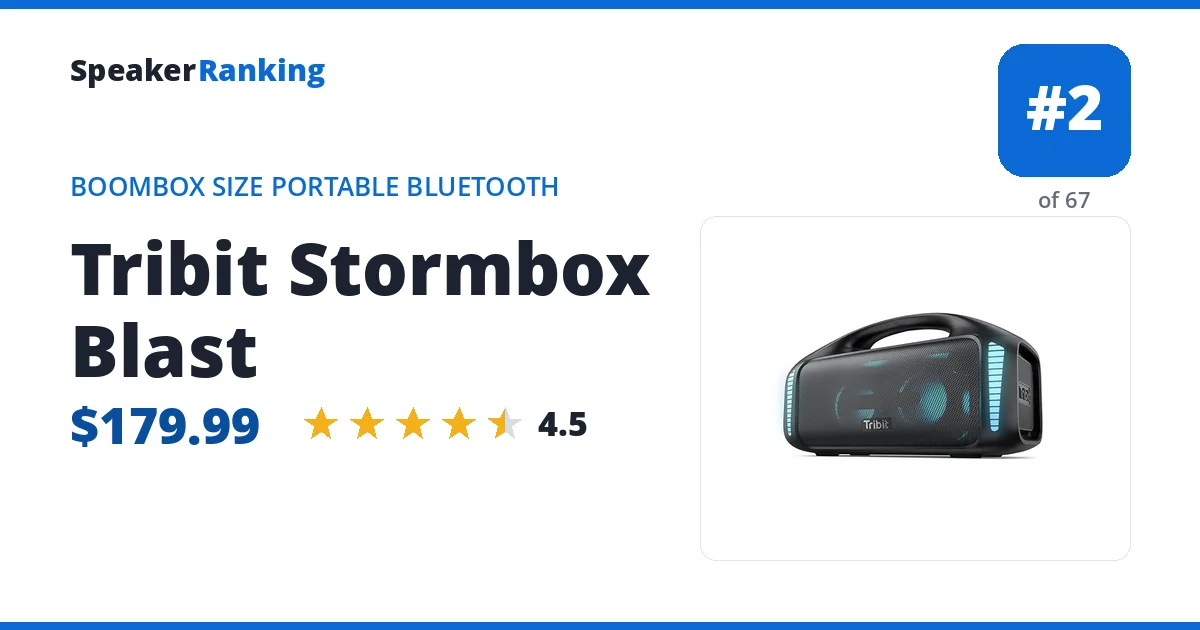
Pros: Amazing speaker given its size, competes well with some speakers in the Party size class, bass almost as deep as a Partybox 100. Quite neutral in the default and xbass modes, but try Oluv’s EQ or Alan Ross’s EQ for a slightly more neutral sound. Oluv has mentioned v3.5 now uses his EQ as the defaults and sounds extremely good. 2 different light modes or can be turned off. Measured bass extension of 43Hz (-10dB).
Cons: Lacks a bit of detail compared to the top ranked speakers in other size categories, dip at 5.5kHz. Without the above EQ this speaker would rank around #4 in the rankings. The curved underside of the handle makes it a little harder to grip and can be uncomfortable to carry long distances.
Full Tribit Stormbox Blast review and specifications →
| Amplifier Power | 90W RMS (140W peak) |
|---|---|
| App | Yes (Tribit App) |
| Aux Input | Yes |
| Aux Latency | 0ms |
| Bass Extension (-10dB) | 43Hz |
| Battery Life | 30 hours (Manufacturer specified) |
| Bluetooth Codecs | SBC |
| Bluetooth Latency | 66ms |
| Bluetooth Version | 5.3 |
| Built-in Microphone | No |
| Digital Aux Input | No |
| Dimensions | 15.7" x 6.3" x 9.1" (400 x 160 x 230 mm) |
| Drivers | 2x ~107mm (4.2") woofers + 2x ~25mm tweeters |
| EQ | Yes (10 band) |
| FM Tuner | No |
| IP Rating | IPX7 |
| Lights | Yes |
| Maximum SPL | 108dB (measured by Alan Ross Reviews) |
| MicroSD Playback | No |
| Microphone Input | No |
| Omnidirectional | No |
| Party Mode | No |
| Power Bank | Yes (USB-A) |
| Power Input | AC Power cord |
| Stereo | Yes |
| TWS | Yes |
| USB Playback | No |
| Weight | 12 lbs (5.45 kg) |
- Links
- Reviews, Comparisons and Sound Samples
- Alan Ross Reviews: Tribit Stormbox Blast Firmware Update 5.2 and other things……. More from alanrossreviews →
- Alan Ross Reviews: Tribit Stormbox Blast vs JBL Boombox 2 big bass boombox speakers 💕
- Alan Ross Reviews: pound for pound battle! WKing X20 D20 vs Stormbox Blast! OMG its a shocker!
- Alan Ross Reviews: Tribit Stormbox Blast compared to the 2022 StormBox Blast, i wasn’t expecting this!
- Alan Ross Reviews: Soundcore Motion x600 (best speaker ever) or two motion booms?
- Mateusz Cholewa: Tribit Stormbox Blast 🎶 🆚Deep BASS - Tribit Stormbox LAVA More from Mateusz Cholewa →
- Jay’s Straight Up Reviews & More: Tribit Stormbox Blast 🆚 Sony SRS-XG500 - Tailgater Special - Battery Powered ☢️ Bass Boost Enabled. More from JaysStraightUpReviews →
- Alan Ross Reviews: Tribit Stormbox Blast or two Motion Boom Pluses for best cheap boombox?
- Alan Ross Reviews: Tribit Stormbox Blast or Harman Kardon Go+ Play 2 Mini by an old bloke!
- InFaze Audio: SPEAKER SHOOTOUT Does the Tribit Stormbox Blast Beat the InFaze Audio MS5CX?
- Jay’s Straight Up Reviews & More: Soundcore Boom 2 Plus VS Tribit Stormbox Blast 🛜 Boombox Basement Battle 📊Custom EQ 🔥Who You Got?
- Alan Ross Reviews: Not quite! JBL Authentics 300 review and sound test vs Boombox 3, Encore and Stormbox Blast
- Techder Audios: Tribit Stormbox Blast VS Teufel Boomster "BASS VS FUNCTIONS!" More from techderaudios →
- Oluv Patreon: SoundBoks 4 vs Stormbox Blast - first impressions More from Oluv’Sone →
- Joy & Oluv’Sone: Tribit Stormbox Blast vs Earfun UBoom X, a PROPER sound test 😎
- Mateusz Cholewa: EarFun UBOOM X Deep Bass 🆚 Tribit Stormbox Blast🎶Review👌
- Oluv Patreon: Tribit Stormbox Blast vs Earfun UBoom X - outdoor test
- Oluv Patreon: Harman Kardon go+play 3 vs Tribit Stormbox Blast - outdoor soundtest
- Dominik Reviews: JBL Boombox 3 vs 2x Tribit Stormbox Blast 🤑 Huge difference? More from Dominik Reviews →
- Jay’s Straight Up Reviews & More: W-King X20 vs Tribit Stormbox Blast 🍿 Garage Battle of Boombox Speakers 🍻Custom & Standard EQ’s
- Jay’s Straight Up Reviews & More: W-King X20 vs Tribit Stormbox Blast 🍿 Garage Battle of Boombox Speakers 🍻Custom & Standard EQ’s
- Dominik Reviews: Sony ULT Field 7 vs Tribit Stormbox Blast Both good? 😂
- Jay’s Straight Up Reviews & More: Bugani Boost Max vs Tribit Stormbox Blast - GhettoBlaster Battle 🏠Indoors 🔋Battery Powered
- Jay’s Straight Up Reviews & More: Soundcore Rave Party 2 vs. Tribit Stormbox Blast - Bluetooth Speaker Basement ⚒ Battle
- Jagist reviews: Tribit Stormbox Blast vs Sony SRS XG 500 More from Jagistreviews →
- Alan Ross Reviews: Tribit Stormbox Blast or Soundcore Motion Boom Plus or W King D10? 🤪
- Alan Ross Reviews: Tribit Stormbox Blast Review vs Soundcore Motion Boom Plus - cheap bass!
- DLX Willington: Tough Game! Tribit Stormbox Blast vs Soundcore Motion Boom Plus Binaural sound samples More from DLXWillington →
- Alan Ross Reviews: Tribit Stormbox Blast or Soundcore Motion Boom Plus or W King D10? 🤪
- Jagist reviews: Tribit Stormbox Blast vs Altec Lansing Mix 2.0
- Alan Ross Reviews: Spatial Audio: Soundcore Motion X600 Vs Tribit Stormbox Blast
- Oluv Patreon: Audiocase S5 vs Tribit Stormbox Blast - first impressions
- Head-to-Head Comparisons
- Tribit Stormbox Blast vs Earfun Uboom X
- Tribit Stormbox Blast vs Harman Kardon Go + Play 3
- Tribit Stormbox Blast vs JBL Partybox Encore 2
- Tribit Stormbox Blast vs JBL Partybox Encore Essential 2
- Tribit Stormbox Blast vs JBL Partybox Encore
- Tribit Stormbox Blast vs JBL Partybox Encore Essential
- Tribit Stormbox Blast vs Yeahbox Sonic Boom Ultra
- Tribit Stormbox Blast vs Harman Kardon Onyx Studio 8
- See all 66 comparisons
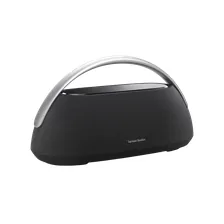 If the speaker has to look right in a living room and warm, bass-heavy sound suits you, get the Harman Kardon Go + Play 3: $385 Amazon eBay
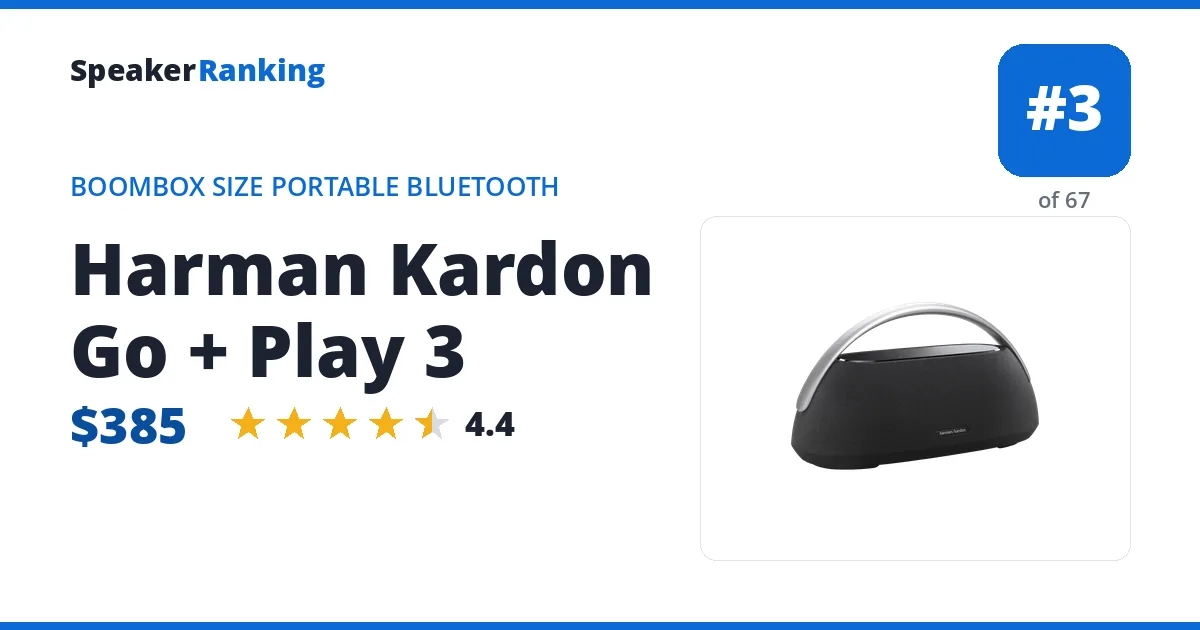
Pros: Warm sound with boosted bass. Deepest bass out of any speaker in this size. Sound is more natural than the Go + Play2. Measured bass extension of 35Hz (-10dB).
Cons: Just a little over half as loud as the higher rated boomboxes. Only 8 hours of battery at medium volume. No water rating.
Setup: Use the hidden EQ modes to adjust the bass up when outside and down when inside. To adjust bass, quickly press the bluetooth and volume down buttons together, the number of light flashes tell you what mode you’re in. To adjust treble, quickly press the volume up and phone buttons at the same time, the number of yellow flashes on the light tell you what mode you are in.
Full Harman Kardon Go + Play 3 review and specifications →
| Amplifier Power | 160W RMS |
|---|---|
| App | Yes (Harman Kardon One app) |
| Aux Input | Yes |
| Aux Latency | 112ms |
| Bass Extension (-10dB) | 35Hz |
| Battery Life | 8 hours (Manufacturer specified) |
| Bluetooth Codecs | SBC, AAC |
| Bluetooth Latency | 120ms |
| Bluetooth Version | 5.2 |
| Built-in Microphone | Yes |
| Digital Aux Input | No |
| Dimensions | 17.3" x 9.4" x 7.6" (439 x 240 x 192 mm) |
| Drivers | 1x 130mm (5") subwoofer + 2x 70mm midrange drivers + 2x 20mm tweeters |
| EQ | Yes (App EQ) |
| IP Rating | None |
| Maximum SPL | 103dB (measured by Alan Ross Reviews) |
| Omnidirectional | No |
| Party Mode | No |
| Power Bank | Yes |
| Power Input | AC Power brick |
| Stereo | Yes |
| TWS | Yes |
| USB Playback | No |
| Weight | 10.4 lbs (4.7 kg) |
- Links
- Reviews, Comparisons and Sound Samples
- Alan Ross Reviews: Harman Kardon Go+ Play 3 vs Go Play 2, the holy grail has arrived? ✔ More from alanrossreviews →
- Alan Ross Reviews: Harman Kardon Go + Play 3 hidden eq modes - world has gone crazy! 🤣
- Alan Ross Reviews: Minirig 2.1 or the Brane X or the Harman Kardon Go Play 3?
- Alan Ross Reviews: JBL Distortion Fest vs my favorite speaker today! I wasn’t expecting this!
- Mateusz Cholewa: BOGASING S8 Pro Max „HiFi” 🎶🧐🆚 Harman Kardon Go Play 3 „HiFi”🔊 More from Mateusz Cholewa →
- Oluv Patreon: Harman Kardon go+play 3 - best sounding? More from Oluv’Sone →
- Oluv Patreon: Harman Kardon go+play 3 vs Tribit Stormbox Blast - outdoor soundtest
- Oluv Patreon: Harman Kardon go+play 3 vs JBL Xtreme 4 - first impressions
- Head-to-Head Comparisons
- Harman Kardon Go + Play 3 vs JBL Partybox Encore 2
- Harman Kardon Go + Play 3 vs Tribit Stormbox Blast
- Harman Kardon Go + Play 3 vs Earfun Uboom X
- Harman Kardon Go + Play 3 vs JBL Partybox Encore Essential 2
- Harman Kardon Go + Play 3 vs JBL Partybox Encore
- Harman Kardon Go + Play 3 vs JBL Partybox Encore Essential
- Harman Kardon Go + Play 3 vs Harman Kardon Onyx Studio 8
- Harman Kardon Go + Play 3 vs Harman Kardon Onyx Studio 6
- See all 50 comparisons
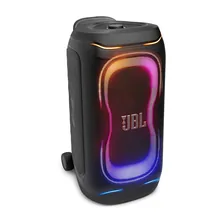 For a real party for 30 or more people, with wheels, lights, and mic inputs, get the JBL Partybox 330: $549.95 Amazon B&H Photo Video eBay
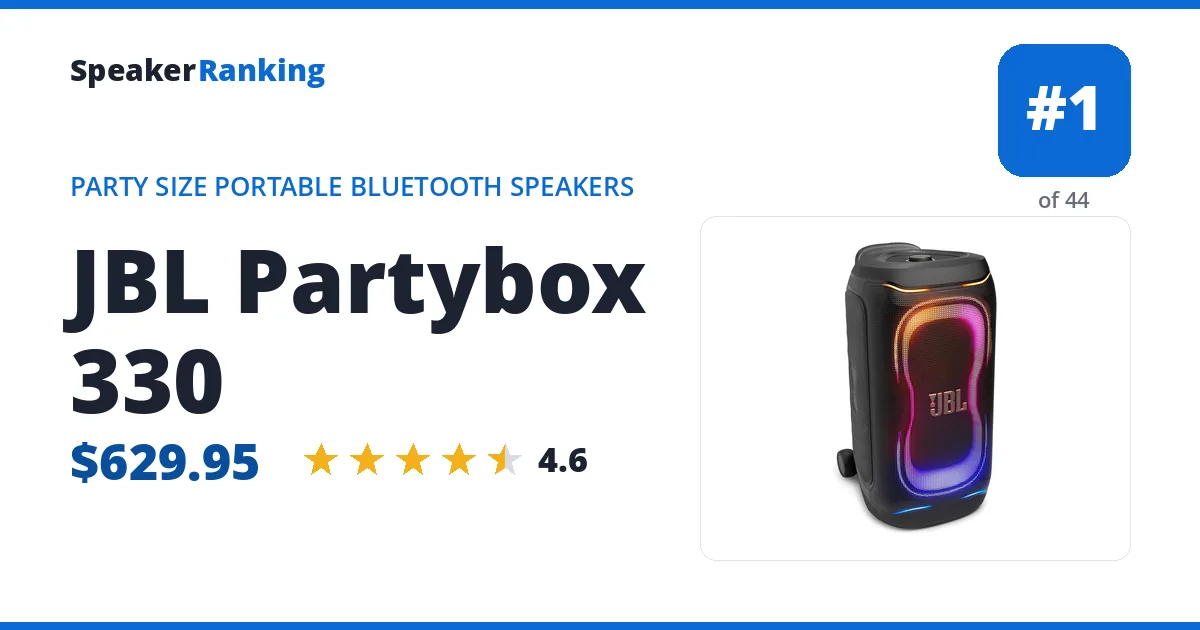
Pros: A highly complete rolling party speaker: removable battery, telescoping handle and wheels, light show, Auracast, USB-C lossless and optical inputs, plus dual mic/guitar inputs. It supplies a little more power than the JBL Partybox 310 and JBL Partybox Stage 320, while reviewers report better midrange clarity than the older JBL Partybox 310 and the same deep party-speaker bass.
Cons: It remains very large and heavy, and the sound improvement over the JBL Partybox Stage 320 is modest rather than transformational. JBL removed the dedicated mic gain/control knobs found on earlier models, a real drawback for frequent karaoke use. Do not upgrade from a JBL Partybox 310 or JBL Partybox Stage 320 just for the higher watt figure.
Full JBL Partybox 330 review and specifications →
| Amplifier Power | 280W |
|---|---|
| App | Yes |
| Aux Input | Yes |
| Battery Life | 18 hours (Manufacturer specified) |
| Bluetooth Codecs | SBC |
| Bluetooth Version | 6.0 |
| Charging Time | 3 hours |
| Digital Aux Input | No |
| Dimensions | 26.1"H x 13.1"W x 14.8"D (662.5 x 334 x 375 mm) |
| Drivers | 2x 6.5" (165mm) woofers + 2x 1" (25mm) PEN dome tweeters |
| EQ | Yes (Smart EQ mode) |
| Guitar Input | Yes |
| IP Rating | IPX4 |
| Inputs | Optical |
| Lights | Yes |
| Microphone Input | Yes (Karaoke mode with echo effect) |
| Omnidirectional | No |
| Party Mode | Yes (Auracast) |
| Power Bank | Yes (USB-C, 5V/1A) |
| Power Input | AC Power cord |
| Removable Battery | Yes |
| Stereo | Partially |
| TWS | Yes |
| USB Playback | Yes |
| Weight | 37.7 lbs (17.1 kg) |
| Wheels | Yes |
- Links
- Reviews, Comparisons and Sound Samples
- Head-to-Head Comparisons
- JBL Partybox 330 vs JBL Partybox Stage 320
- JBL Partybox 330 vs Sony ULT Tower 7
- JBL Partybox 330 vs JBL Partybox 310
- JBL Partybox 330 vs Sony ULT Tower 5
- JBL Partybox 330 vs JBL Partybox Club 120
- JBL Partybox 330 vs JBL Partybox 130
- JBL Partybox 330 vs JBL Partybox 100
- JBL Partybox 330 vs JBL Partybox 110
- See all 74 comparisons
If nothing matters except being loud without sounding bad, get the JBL Partybox 330: $549.95 Amazon B&H Photo Video eBay
Pros: A highly complete rolling party speaker: removable battery, telescoping handle and wheels, light show, Auracast, USB-C lossless and optical inputs, plus dual mic/guitar inputs. It supplies a little more power than the JBL Partybox 310 and JBL Partybox Stage 320, while reviewers report better midrange clarity than the older JBL Partybox 310 and the same deep party-speaker bass.
Cons: It remains very large and heavy, and the sound improvement over the JBL Partybox Stage 320 is modest rather than transformational. JBL removed the dedicated mic gain/control knobs found on earlier models, a real drawback for frequent karaoke use. Do not upgrade from a JBL Partybox 310 or JBL Partybox Stage 320 just for the higher watt figure.
Full JBL Partybox 330 review and specifications →
| Amplifier Power | 280W |
|---|---|
| App | Yes |
| Aux Input | Yes |
| Battery Life | 18 hours (Manufacturer specified) |
| Bluetooth Codecs | SBC |
| Bluetooth Version | 6.0 |
| Charging Time | 3 hours |
| Digital Aux Input | No |
| Dimensions | 26.1"H x 13.1"W x 14.8"D (662.5 x 334 x 375 mm) |
| Drivers | 2x 6.5" (165mm) woofers + 2x 1" (25mm) PEN dome tweeters |
| EQ | Yes (Smart EQ mode) |
| Guitar Input | Yes |
| IP Rating | IPX4 |
| Inputs | Optical |
| Lights | Yes |
| Microphone Input | Yes (Karaoke mode with echo effect) |
| Omnidirectional | No |
| Party Mode | Yes (Auracast) |
| Power Bank | Yes (USB-C, 5V/1A) |
| Power Input | AC Power cord |
| Removable Battery | Yes |
| Stereo | Partially |
| TWS | Yes |
| USB Playback | Yes |
| Weight | 37.7 lbs (17.1 kg) |
| Wheels | Yes |
- Links
- Reviews, Comparisons and Sound Samples
- Head-to-Head Comparisons
- JBL Partybox 330 vs JBL Partybox Stage 320
- JBL Partybox 330 vs Sony ULT Tower 7
- JBL Partybox 330 vs JBL Partybox 310
- JBL Partybox 330 vs Sony ULT Tower 5
- JBL Partybox 330 vs JBL Partybox Club 120
- JBL Partybox 330 vs JBL Partybox 130
- JBL Partybox 330 vs JBL Partybox 100
- JBL Partybox 330 vs JBL Partybox 110
- See all 74 comparisons
For a loud battery speaker with XLR inputs, a mixer, or live-microphone duties, start with battery-powered PA speakers instead. Compare them with party speakers in the party speaker vs. battery-powered PA guide, or with mains-powered systems in the battery-powered PA vs. mains PA guide.
Mistakes That Cost People Money
Shopping by watts. Advertised wattage is close to meaningless across brands, since it’s measured differently by each and says nothing about efficiency or tuning. Use the bass extension and measured output figures in each spec table instead.
Buying small and hoping. No small speaker produces deep bass. If bass matters, the fix is a bigger speaker, not a more expensive small one.
Over-buying on size. The party classes are heavy, need AC power to charge, and are worse than a good medium speaker for everyday listening. Most people who buy one for “the occasional party” end up using a smaller speaker daily.
Assuming a new model beats the old one. Several older models on these lists still outrank their replacements. Check the ranking, not the model year, and see discontinued speakers still worth buying.
Ignoring the brand lock on multi-speaker pairing. If you already own a speaker and plan to add a second one later, buy into the same ecosystem now.
Where To Go Next
Browse every ranking by size, or jump straight to the top recommended speakers by attribute if you already know what you’re optimizing for. For how these rankings are built and which measurements they’re based on, see how we rank speakers and information applying to all speakers.
If you want home speakers rather than portable ones, start with powered speakers or passive speakers. Looking for Bluetooth earbuds instead of speakers? See why this site doesn’t cover those and where to go instead.