Short answer: the EPZ Q1 Pro. Both are rated 4.9/5 for sound quality (#12 and #9 of 450 in-ear headphones), and the EPZ Q1 Pro costs $39.99 against $49.99 for the EPZ G20, and with sound quality even, the cheaper one is the better buy.
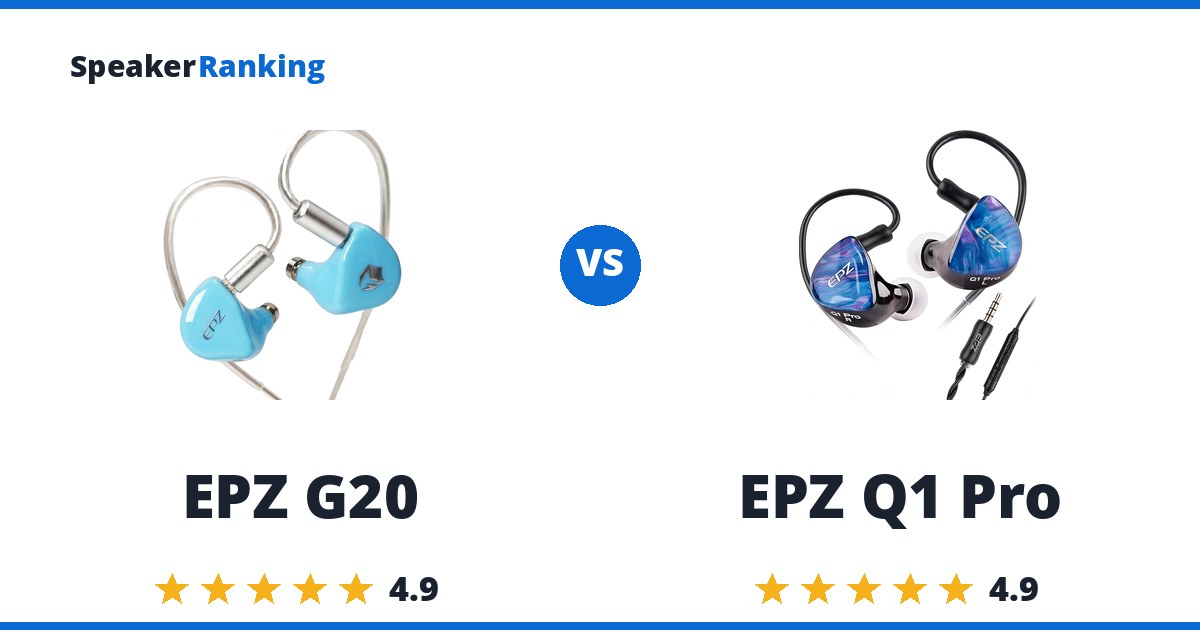
Why pick the EPZ G20: The G20 is one of the most accurate inexpensive in-ears measured, with a preference score of 86 and under 1 dB of unevenness in the median of twelve hobbyist measurements on squig.link. The catch: A 6.3 dB peak near 11.9 kHz adds extra air that can make some recordings sound a little hissy or splashy.
The case for the EPZ Q1 Pro: For a budget single dynamic in-ear, the median of 29 hobbyist measurements is impressive: a preference score of 85 and an average deviation of about 1 dB from the Harman target. Watch for: Sub-bass sits about 1.6 dB under target, so deep electronic bass has slightly less rumble than bass fans may want.
Buy the EPZ Q1 Pro. Both are rated the same for sound quality, and it costs $10 less than the EPZ G20.
Looking for alternatives? See the complete Headphones rankings.
Specifications Side By Side
| EPZ G20 | EPZ Q1 Pro | |
|---|---|---|
| Price | $49.99 | $39.99 |
| Ranked | #9 of 450 in In-Ear Headphones | #12 of 450 in In-Ear Headphones |
| Form Factor | In-ear | In-ear |
| Back | Closed | Closed |
| Harman Preference Score | 86 (median of 12 squig.link measurements, calibrated to AutoEQ) | 85 (median of 29 squig.link measurements, calibrated to AutoEQ) |
| Deviation From Target | 0.99 dB standard deviation | 1.05 dB standard deviation |
| Tonal Tilt | +0.10 (negative is warmer, positive brighter) | +0.17 (negative is warmer, positive brighter) |
| Sub-bass Extension | Within 6 dB of target down to 20 Hz (-0.7 dB at 30 Hz) | Within 6 dB of target down to 20 Hz (-1.2 dB at 30 Hz) |
| Connection | Wired | Wired |
| Driver Type | Dynamic | Dynamic |
| Drivers | 1 x 10mm dynamic | 1 x 10mm dynamic |
| Sensitivity | 100 dB | 100 dB/Vrms |
| Frequency Response | 20Hz - 20kHz (Manufacturer specified) | 20Hz - 20kHz (Manufacturer specified) |
| Built-in Microphone | Yes | - |
| Impedance | - | 32 ohms |
Related Headphone Comparisons
How EPZ G20 compares with other leading options:
- EPZ G20 vs Truthear x Crinacle Zero RED
- EPZ G10 vs EPZ G20
- EPZ G20 vs Truthear Zero Blue 2
- EPZ G20 vs ThieAudio Legacy 4
- EPZ G20 vs EPZ G30
Prices on this page were last checked October 11, 2026 at 4:59 PM UTC. Product prices and availability are accurate as of that date/time and are subject to change; the price and availability shown on Amazon at the time of purchase will apply to the purchase of this product.
As an eBay Partner, we may be compensated if you make a purchase.
The Two Headphones In Full
 EPZ G20: $49.99 Amazon eBay
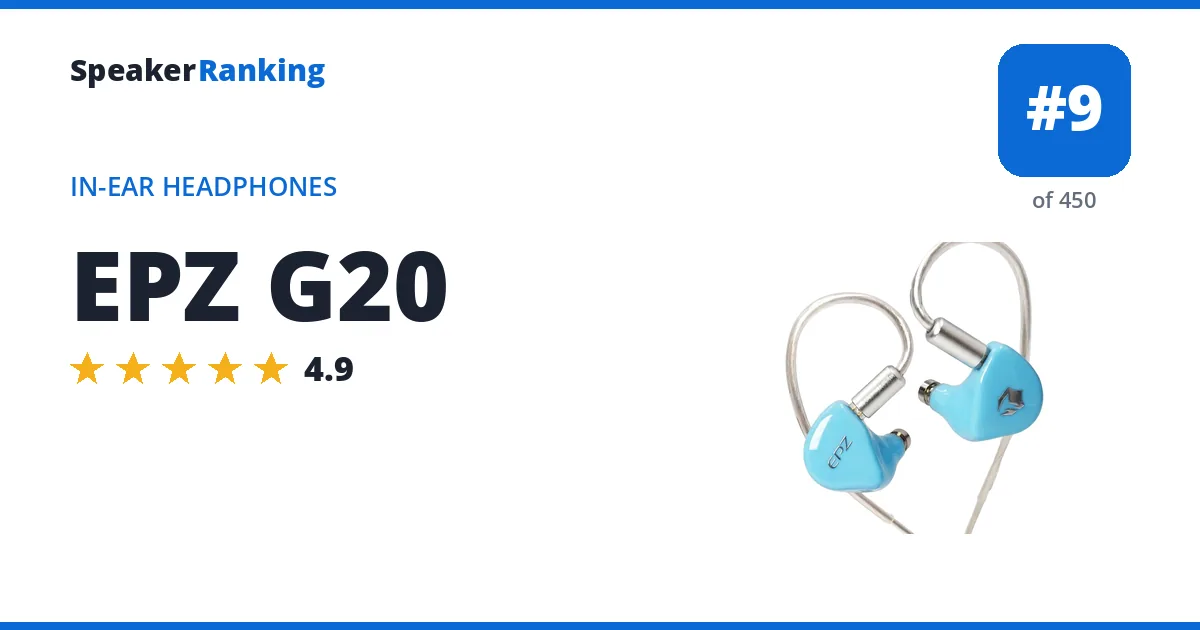
Pros: The G20 is one of the most accurate inexpensive in-ears measured, with a preference score of 86 and under 1 dB of unevenness in the median of twelve hobbyist measurements on squig.link. Bass, midrange and lower treble all land within about 1 dB of target, and sub-bass stays full down to 20 Hz. It matches the rating of the costlier Truthear Zero Blue 2 and includes an inline microphone.
Cons: A 6.3 dB peak near 11.9 kHz adds extra air that can make some recordings sound a little hissy or splashy. The EPZ Q1 Pro earns the same rating for a bit less money, and the 100 dB sensitivity figure is unremarkable, though still fine for a phone.
Full EPZ G20 review and specifications →
| Back | Closed |
|---|---|
| Built-in Microphone | Yes |
| Connection | Wired |
| Deviation From Target | 0.99 dB standard deviation |
| Driver Type | Dynamic |
| Drivers | 1 x 10mm dynamic |
| Form Factor | In-ear |
| Frequency Response | 20Hz - 20kHz (Manufacturer specified) |
| Harman Preference Score | 86 (median of 12 squig.link measurements, calibrated to AutoEQ) |
| Sensitivity | 100 dB |
| Sub-bass Extension | Within 6 dB of target down to 20 Hz (-0.7 dB at 30 Hz) |
| Tonal Tilt | +0.10 (negative is warmer, positive brighter) |
- Reviews, Comparisons and Sound Samples
- Head-to-Head Comparisons
 EPZ Q1 Pro: $39.99 Amazon eBay
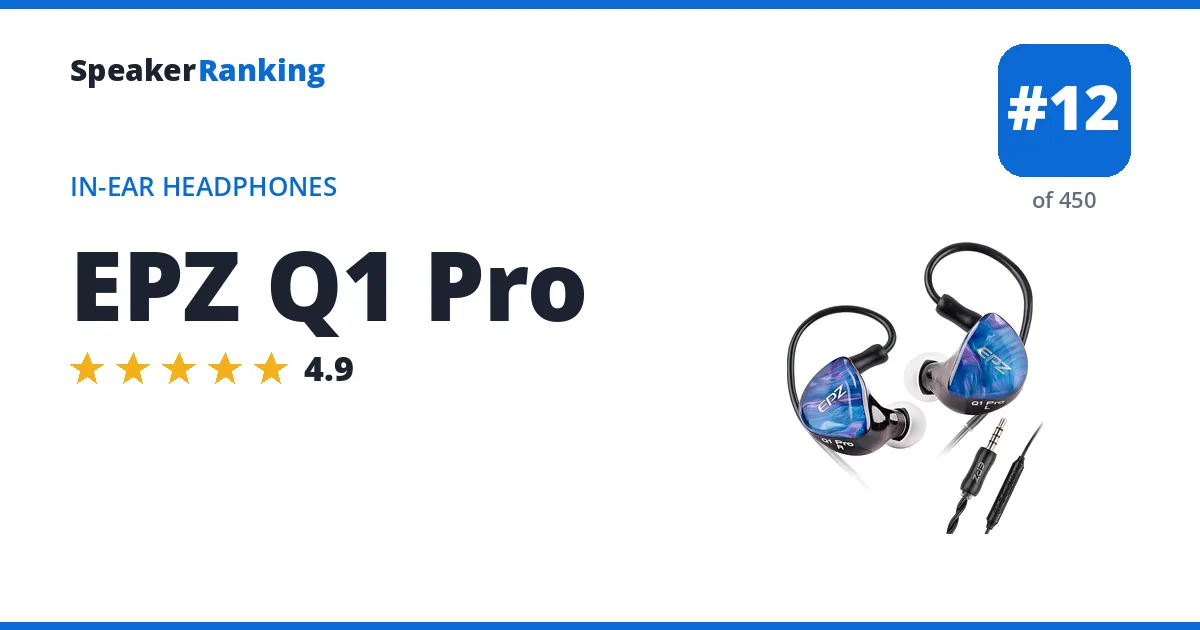
Pros: For a budget single dynamic in-ear, the median of 29 hobbyist measurements is impressive: a preference score of 85 and an average deviation of about 1 dB from the Harman target. Midrange and treble bands track the target within about 1 dB, so voices and instruments sound natural rather than hyped. It shares its rating with the EPZ G20 and Intuaura Reference 2019 at a similar price.
Cons: Sub-bass sits about 1.6 dB under target, so deep electronic bass has slightly less rumble than bass fans may want. Sensitivity of 100 dB/Vrms at 32 ohms is low for an in-ear, so expect to turn a phone up more than usual. A 3.4 dB dip near 6.3 kHz and a 4.6 dB peak near 11.9 kHz add a little unevenness in the treble.
Full EPZ Q1 Pro review and specifications →
| Back | Closed |
|---|---|
| Connection | Wired |
| Deviation From Target | 1.05 dB standard deviation |
| Driver Type | Dynamic |
| Drivers | 1 x 10mm dynamic |
| Form Factor | In-ear |
| Frequency Response | 20Hz - 20kHz (Manufacturer specified) |
| Harman Preference Score | 85 (median of 29 squig.link measurements, calibrated to AutoEQ) |
| Impedance | 32 ohms |
| Sensitivity | 100 dB/Vrms |
| Sub-bass Extension | Within 6 dB of target down to 20 Hz (-1.2 dB at 30 Hz) |
| Tonal Tilt | +0.17 (negative is warmer, positive brighter) |
- Reviews, Comparisons and Sound Samples
- Head-to-Head Comparisons