Short answer: the MOTU M4. It ranks #7 of 17 audio interfaces by measured performance, rated 3.8/5, at $279.95; the RME Fireface UFX III ranks #9, rated 3.7/5, and costs $3,199, so there is not much of a tradeoff to weigh.
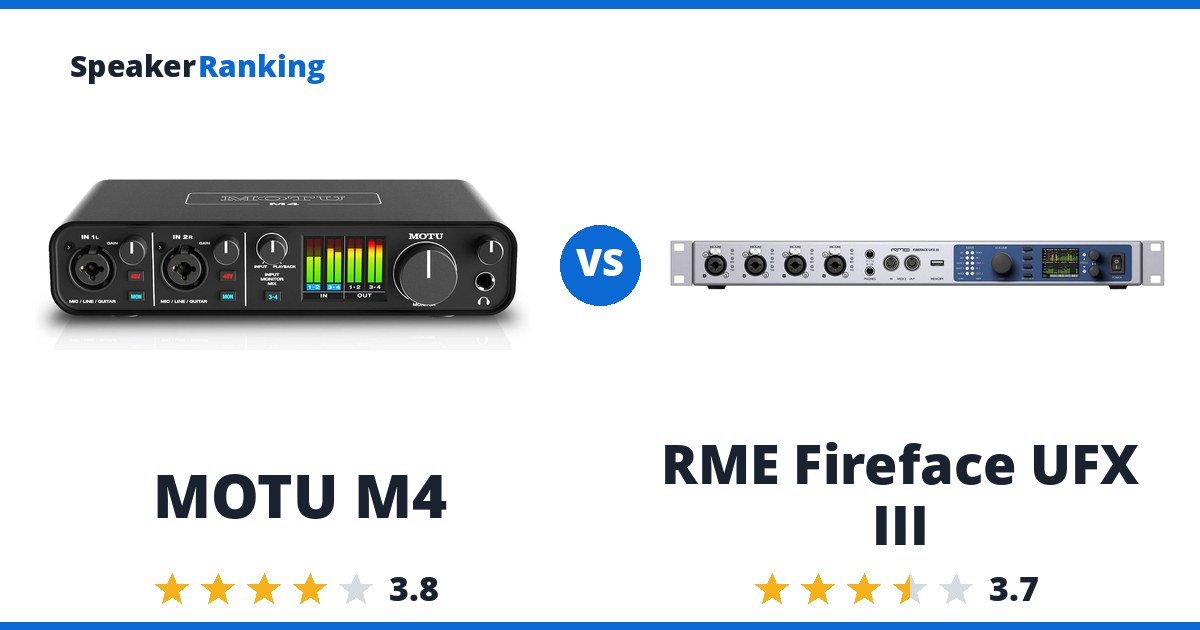
What the MOTU M4 does well: Audio Science Review measured 111 dB SINAD from its ESS Sabre32 Ultra DAC, clean for nearly all listening and competitive with good budget DACs. The tradeoff: MOTU doesn’t publish a 32 ohm headphone power figure, and Audio Science Review measured just 18 mW into 300 ohms, calling the headphone amplifier its weakest part, so demanding headphones may run out of volume.
The case for the RME Fireface UFX III: Audio Science Review measured 110 dB SINAD, clean for nearly all listening. The catch: RME doesn’t publish a 32 ohm headphone power figure, so its ability to drive demanding headphones is unknown.
Buy the MOTU M4. It is rated higher than the RME Fireface UFX III and costs less, so only choose the other one for a particular feature it does better.
Looking for alternatives? See the complete Headphone Amps and DACs rankings.
Specifications Side By Side
| MOTU M4 | RME Fireface UFX III | |
|---|---|---|
| Price | $279.95 | $3,199.00 |
| Ranked | #7 of 17 in Audio Interfaces | #9 of 17 in Audio Interfaces |
| Device Type | Audio interface | Audio interface |
| SINAD | 111 dB (measured by Audio Science Review) | 110 dB (measured by Audio Science Review) |
| Inputs | 2 XLR/TRS combo (mic/line/Hi-Z), 2 balanced 6.35 mm line, MIDI in, USB-C | - |
| Outputs | 4 balanced 6.35 mm TRS, 4 RCA (mirrored), headphone | - |
| Headphone Outputs | 1 x 6.35 mm | 2 x 6.35 mm |
| Balanced Output | Yes (TRS monitor outs) | - |
| DAC Chip | ESS Sabre32 Ultra | - |
| Volume Control | Hardware knob | - |
| Dimensions | 8.3” x 1.8” x 4.3” (210 x 45 x 108 mm) | 17.3” x 1.7” x 8.3” (440 x 44 x 210 mm) (without rack ears) |
| Weight | 2 lbs (920 g) | 6.2 lbs (2.8 kg) |
| Output Power (300 ohms) | 18 mW (measured by Audio Science Review) | - |
| Equalizer | - | Yes (TotalMix FX DSP) |
Related Amp and DAC Comparisons
More top alternatives to MOTU M4:
- Topping M62 vs MOTU M4
- Topping E2x2 vs MOTU M4
- Lynx Hilo 2 USB vs MOTU M4
- MOTU M4 vs MOTU UltraLite-mk5
- MOTU M4 vs MOTU M6
Prices on this page were last checked October 13, 2026 at 3:17 PM UTC. Product prices and availability are accurate as of that date/time and are subject to change; the price and availability shown on Amazon at the time of purchase will apply to the purchase of this product.
As an eBay Partner, we may be compensated if you make a purchase.
The Two Amps and DACs In Full
 MOTU M4: $279.95 Amazon $279.95 eBay
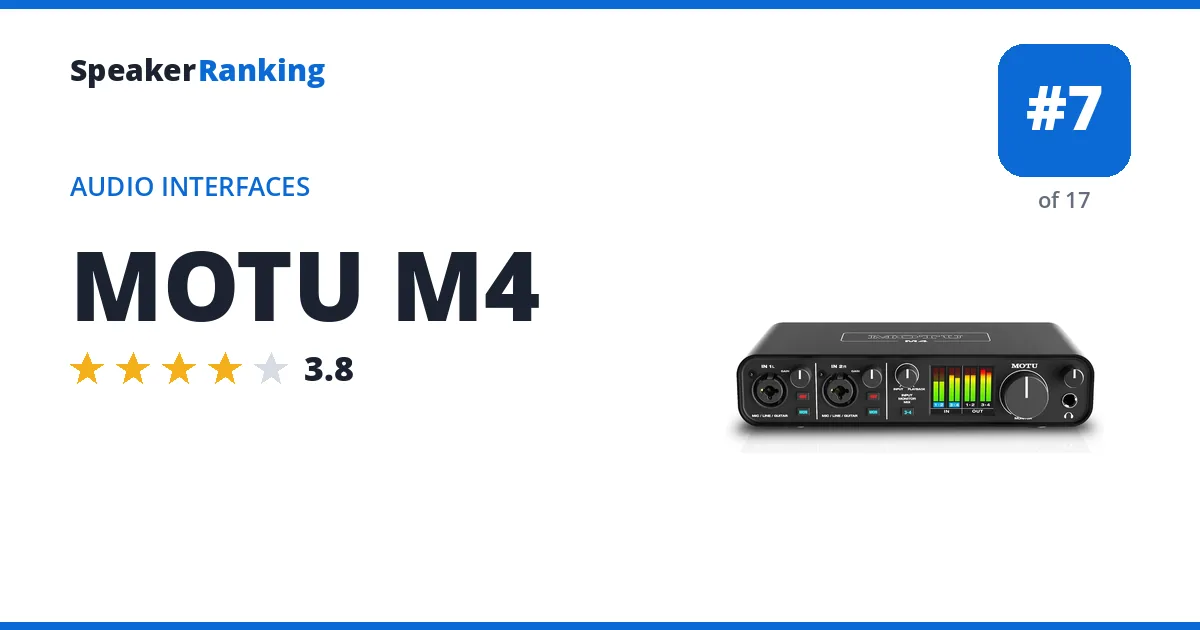
Pros: Audio Science Review measured 111 dB SINAD from its ESS Sabre32 Ultra DAC, clean for nearly all listening and competitive with good budget DACs. It adds two balanced line inputs to the two XLR/TRS combo inputs, has four balanced TRS outputs with mirrored RCA outputs, MIDI in and a hardware volume knob, and Audio Science Review found its recording converter better than many computer interfaces.
Cons: MOTU doesn’t publish a 32 ohm headphone power figure, and Audio Science Review measured just 18 mW into 300 ohms, calling the headphone amplifier its weakest part, so demanding headphones may run out of volume. The Topping M62 rates higher for less.
Full MOTU M4 review and specifications →
| Released | 2020 (6 years ago) |
|---|---|
| Balanced Output | Yes (TRS monitor outs) |
| DAC Chip | ESS Sabre32 Ultra |
| Device Type | Audio interface |
| Dimensions | 8.3” x 1.8” x 4.3” (210 x 45 x 108 mm) |
| Headphone Outputs | 1 x 6.35 mm |
| Inputs | 2 XLR/TRS combo (mic/line/Hi-Z), 2 balanced 6.35 mm line, MIDI in, USB-C |
| Output Power (300 ohms) | 18 mW (measured by Audio Science Review) |
| Outputs | 4 balanced 6.35 mm TRS, 4 RCA (mirrored), headphone |
| SINAD | 111 dB (measured by Audio Science Review) |
| Volume Control | Hardware knob |
| Weight | 2 lbs (920 g) |
- Reviews, Comparisons and Sound Samples
- Head-to-Head Comparisons
 RME Fireface UFX III: $3,199.00 Amazon $3,199.00 eBay
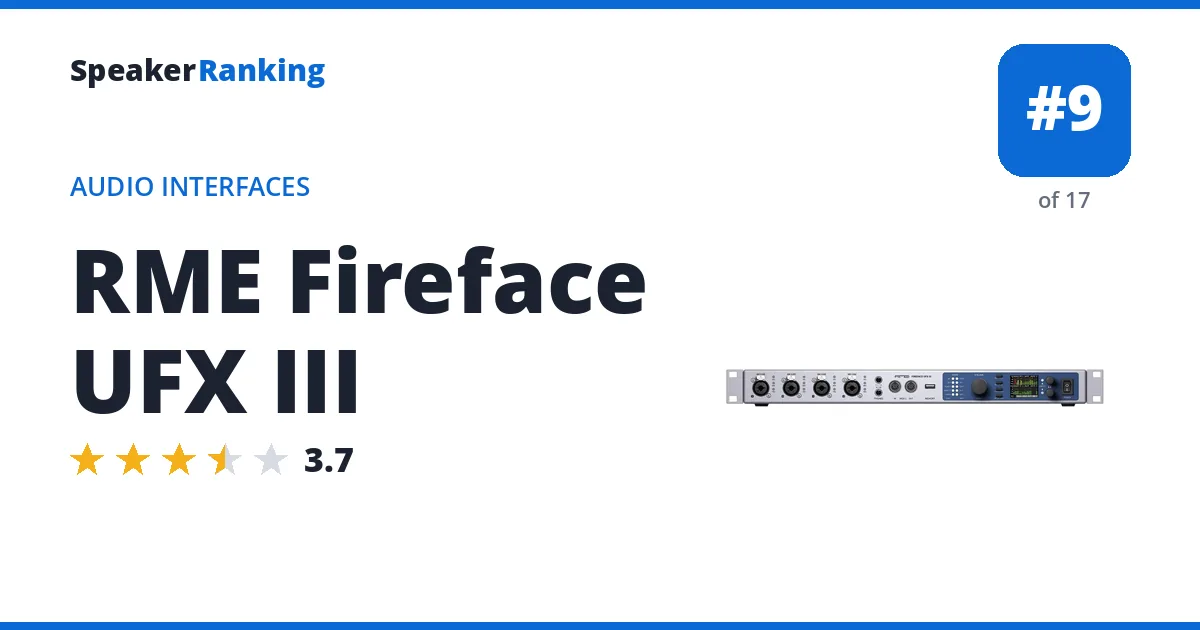
Pros: Audio Science Review measured 110 dB SINAD, clean for nearly all listening. It has two 6.35 mm headphone outputs and TotalMix FX DSP with built in EQ, in a full rack width chassis.
Cons: RME doesn’t publish a 32 ohm headphone power figure, so its ability to drive demanding headphones is unknown. It is large and heavy at 2.8 kg, and for playback it rates below the MOTU M6, which measures slightly cleaner for a small fraction of the cost.
Full RME Fireface UFX III review and specifications →
| Device Type | Audio interface |
|---|---|
| Dimensions | 17.3” x 1.7” x 8.3” (440 x 44 x 210 mm) (without rack ears) |
| Equalizer | Yes (TotalMix FX DSP) |
| Headphone Outputs | 2 x 6.35 mm |
| SINAD | 110 dB (measured by Audio Science Review) |
| Weight | 6.2 lbs (2.8 kg) |
- Reviews, Comparisons and Sound Samples
- Head-to-Head Comparisons